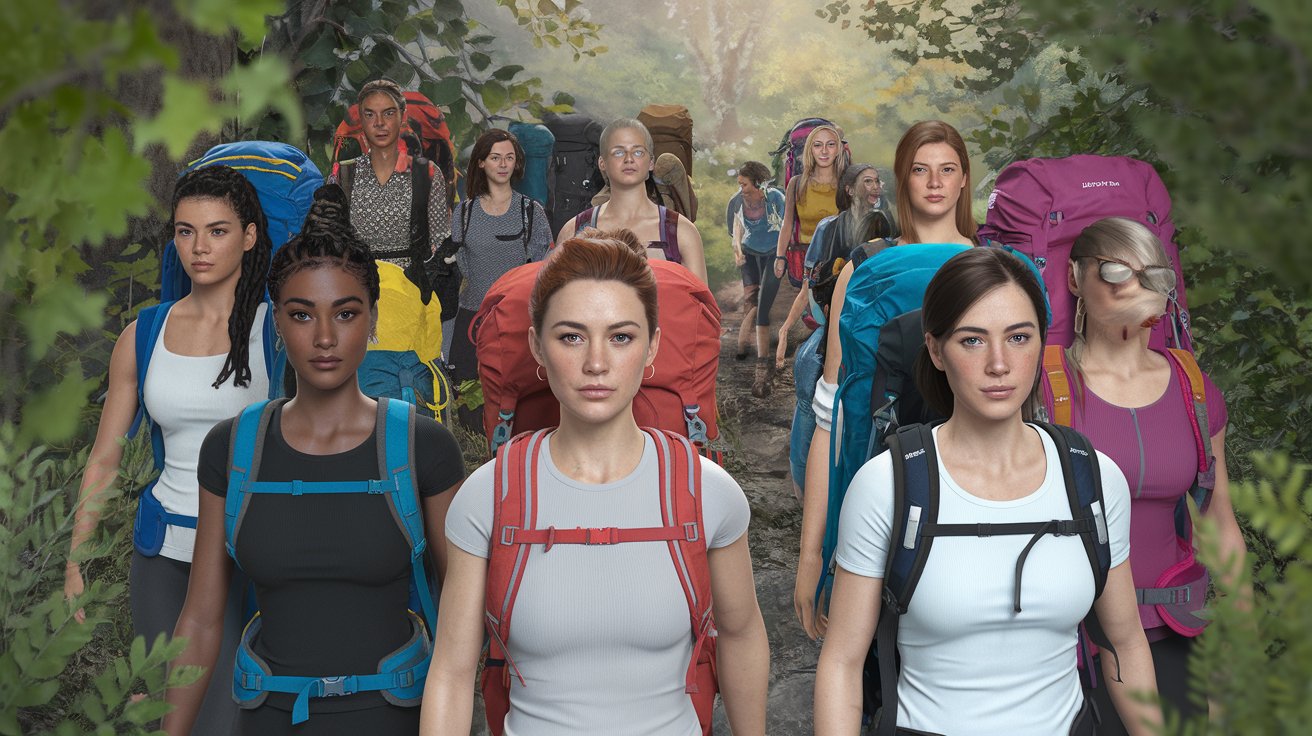
Finding the perfect hiking backpack for women requires understanding body-specific designs that accommodate narrower shoulders, shorter torsos, and different hip shapes compared to men’s packs. In 2026, manufacturers have advanced female-specific suspension systems and offer customizable fits for petite to tall frames. This comprehensive guide examines the best women’s hiking backpacks across various categories, from lightweight day packs to heavy-duty expedition models, helping you select the ideal pack for your adventures across American trails.
Why Women-Specific Hiking Backpacks Matter
Women-specific hiking backpacks feature anatomical designs that differ significantly from unisex models, addressing fundamental physiological differences. The average woman’s torso measures 2-3 inches shorter than a man’s, while shoulder widths are typically 1.5 inches narrower. These measurements dramatically affect weight distribution and comfort during extended hikes across diverse terrain from the Appalachian Trail to Pacific Crest corridors.
Modern women’s hiking backpacks incorporate S-curved shoulder straps that contour around the chest rather than cutting across it, preventing discomfort and allowing unrestricted breathing. Hip belts on female-specific models sit higher and wrap more snugly around naturally wider hips, transferring up to 80% of pack weight to the legs and hips rather than straining shoulders. In 2026, advanced materials like ventilated mesh and moisture-wicking fabrics address higher core temperature regulation needs during strenuous activity.
The biomechanical advantages of properly fitted women’s backpacks reduce fatigue by approximately 35% compared to poorly fitted alternatives, according to outdoor recreation studies conducted in 2025. Proper weight distribution prevents common issues like shoulder numbness, lower back strain, and hip bruising that affect nearly 60% of women using incorrectly sized packs on trails throughout the United States.
Top Women’s Hiking Backpacks for 2026
The best hiking backpacks for women in 2026 combine innovative materials, ergonomic designs, and versatile features suitable for diverse American landscapes. These top performers excel in comfort, durability, and functionality across day hikes and multi-day expeditions.
Osprey Eja 58: Best Overall Women’s Backpack
The Osprey Eja 58 dominates as the premier choice for serious female backpackers seeking a balance between lightweight construction and substantial carrying capacity. Weighing just 2.9 pounds for the medium size, this pack utilizes Osprey’s AirSpeed suspension system with tensioned mesh back panel that maintains continuous airflow, reducing back perspiration by up to 40% compared to traditional designs. The 58-liter capacity accommodates 3-5 day trips comfortably while maintaining a streamlined profile on technical terrain.
This pack features women-specific fit adjustments including a continuously adjustable torso length ranging from 15 to 19 inches, making it suitable for petite to tall frames. The harness and hip belt utilize dual-density foam padding that conforms to individual body shapes after several uses. Integrated features include dual zippered hip belt pockets, a removable sleeping bag compartment divider, Stow-on-the-Go trekking pole attachment, and external hydration sleeve compatible with 3-liter reservoirs. The retail price ranges from $290-$320 at major outdoor retailers across the United States in 2026.
Gregory Deva 60: Best for Heavy Loads
For women planning extended expeditions requiring substantial gear, the Gregory Deva 60 provides exceptional load-bearing capabilities through its Response A3 suspension system. This technology adjusts automatically to body movements while maintaining stability when carrying loads up to 50 pounds. The pack’s CrossFlo DTS ventilated back panel features peripheral frame design that transfers weight directly to the hip belt while maximizing breathability during summer hiking conditions prevalent across southwestern trails.
The Deva 60 incorporates extensive organizational features including a QuickSwap interchangeable hip belt system allowing size adjustments without tools, dual-access main compartment with U-zip front panel opening, separate sleeping bag compartment with removable divider, and multiple external attachment points for mountaineering equipment. The torso adjustment accommodates 16 to 21-inch measurements, and the pack weighs 4.7 pounds for medium sizing. Available in three torso lengths, this heavy-duty women’s backpack retails between $350-$380 in 2026.
REI Co-op Flash 55: Best for First-Time Backpackers
The REI Co-op Flash 55 offers exceptional value for women beginning their backpacking journey, combining simplicity with essential features at an accessible price point of $199-$219. This streamlined pack eliminates unnecessary complications while retaining critical functionality, featuring a removable framesheet and stays that allow experienced users to reduce weight for ultralight applications. The 55-liter capacity suits weekend trips and provides room for learning proper packing techniques without overwhelming new backpackers.
This beginner-friendly women’s backpack includes color-coded torso adjustment markings for easy sizing, ventilated shoulder straps with load-lifter adjustments, padded hip belt with dual pockets, and top-loading access with extension collar for overflow gear. The simplified design weighs 2.8 pounds and features strategic attachment points for sleeping pads, trekking poles, and ice axes. The Flash 55 represents excellent entry-level quality without compromising essential comfort elements necessary for enjoyable trail experiences throughout national parks and wilderness areas.
Best Day Hiking Backpacks for Women
Day hiking requires specialized smaller backpacks designed for 4-12 hour excursions carrying essentials like water, snacks, first aid supplies, and weather protection layers. These packs typically range from 18-30 liters and prioritize lightweight construction, ventilation, and quick-access organization over multi-day carrying capacity.
Osprey Tempest 24: Premium Day Pack
The Osprey Tempest 24 delivers optimal capacity for full-day adventures, incorporating women-specific BioStretch harness that adapts to shoulder movements during scrambling and technical hiking. The AirScape back panel with ridged foam channels promotes airflow while the integrated raincover deploys from the bottom compartment in seconds when weather deteriorates. At 1.4 pounds, this pack includes dedicated hydration reservoir sleeve, scratch-free electronics pocket, and dual stretch mesh side pockets for water bottles.
This versatile day hiking backpack features Stow-on-the-Go trekking pole attachment, removable webbing hip belt for minimalist use, and LidLock helmet attachment for scrambling objectives. The torso fits users with 15-19 inch measurements, and the pack retails for $150-$170 in 2026. Available in multiple color options, the Tempest 24 suits everything from Cascade mountain day hikes to desert canyon explorations across the American Southwest.
Deuter Speed Lite 22 SL: Best Budget Day Pack
Women seeking affordable quality for regular day hiking benefit from the Deuter Speed Lite 22 SL, priced at $90-$110 while delivering German engineering standards. The SL designation indicates Slim Line women-specific fit with narrower shoulder straps positioned closer together and contoured hip fins rather than full belts. At 1.2 pounds, this minimalist design prioritizes weight savings for fast-and-light approaches common in Rocky Mountain and Sierra Nevada terrain.
The Speed Lite 22 incorporates Deuter’s Aircomfort Sensic Vario mesh back panel with spring steel frame maintaining pack structure while allowing air circulation. Features include dual stretch side pockets, integrated raincover, front stretch pocket for wet layers, and attachment loops for Via Ferrata equipment. This pack accommodates torso lengths from 15-18 inches, making it particularly suitable for petite female hikers who struggle finding properly proportioned equipment.
Hiking Backpacks for Petite Women
Petite women with torso measurements under 16 inches face unique challenges finding properly fitted hiking backpacks, as many standard women’s sizes begin at 16-17 inch torso lengths. Approximately 30% of American women fall into petite sizing categories according to 2026 outdoor industry data, yet manufacturers have historically underserved this demographic with limited extra-small options.
The best hiking backpacks for petite females feature torso adjustability down to 14 inches, narrower shoulder strap spacing averaging 4-5 inches apart rather than standard 6-7 inches, and hip belts sized for 26-32 inch waist measurements. Brands prioritizing petite-specific designs include Osprey’s XS sizing, Gregory’s petite torso options, and REI Co-op’s adjustable systems. Proper fit prevents the common issue of shoulder straps sliding off or hip belts riding above the iliac crest, which causes load transfer failure and severe discomfort during extended hiking.
When selecting backpacks for shorter torsos, petite women should verify torso adjustment ranges explicitly rather than relying on small/medium/large designations, which refer to hip belt sizes rather than back length. Testing packs with representative loads of 15-20 pounds reveals fit issues invisible when trying empty packs, particularly load-lifter angle effectiveness and sternum strap positioning relative to breathing mechanics.
Waterproof and Weather-Resistant Features
The best waterproof hiking backpacks for women in 2026 utilize advanced materials including YKK AquaGuard zippers, welded seam construction, and water-resistant fabric treatments rated to 3,000-10,000mm hydrostatic head measurements. True waterproof backpacks employ roll-top closures and thermally welded seams without stitching holes, though these designs sacrifice convenient access for complete weather protection.
Most quality hiking backpacks incorporate water-resistant treatments like durable water repellent (DWR) coatings on 210-420 denier nylon fabrics, providing protection during light precipitation while maintaining breathability. Integrated rain covers stored in bottom compartments deploy in seconds, offering supplemental protection during sustained rainfall common in Pacific Northwest trails, Appalachian ridges, and Rocky Mountain afternoon thunderstorms. These covers typically add 3-5 ounces but prevent gear saturation that adds significant weight through water absorption.
For women hiking in consistently wet environments, waterproof stuff sacks and dry bags provide critical secondary protection for electronics, clothing, and sleeping bags regardless of pack weatherproofing. The most reliable approach combines water-resistant pack construction, integrated rain cover, and internal dry bag organization, creating redundant protection systems that maintain gear functionality during multi-day exposure to adverse weather conditions throughout American wilderness areas.
Essential Features in Women’s Hiking Backpacks
Beyond gender-specific fit elements, the most functional women’s hiking backpacks incorporate practical features enhancing trail usability and organization. Hydration compatibility ranks as the highest priority, with dedicated sleeves accommodating 2-3 liter reservoirs and routing channels for drink tubes through shoulder straps. Studies show properly hydrated hikers maintain 25% better performance on climbs exceeding 2,000 feet elevation gain, common on routes throughout western mountain ranges.
Strategic pocket placement optimizes accessibility without requiring pack removal, including dual hip belt pockets sized for smartphones, energy bars, and sunscreen. Stretchy side pockets accommodate water bottles for quick access, while top-lid compartments store frequently needed items like headlamps, maps, and first aid supplies. Internal organizational pockets prevent small items from migrating to pack bottoms, and sleeping bag compartments with removable dividers enable strategic weight distribution and efficient packing workflows.
Modern women’s backpacks include technical attachment systems for trekking poles, ice axes, helmets, and sleeping pads through compression straps, daisy chains, and specialized loops. Load-lifter straps angling 45 degrees from shoulder strap tops transfer weight forward onto shoulders, while sternum straps with emergency whistles prevent strap separation during scrambling. Ventilated back panels incorporating ridged foam, tensioned mesh, or suspended designs reduce perspiration buildup that causes discomfort and increases hydration requirements during summer hiking across southern and desert regions.
Capacity Selection Guide for Different Trip Lengths
Choosing appropriate backpack capacity prevents both insufficient space and unnecessary weight from oversized packs. Day hikes requiring 4-8 hours on trail typically need 18-30 liter packs accommodating water, food, safety gear, and weather layers. Weekend trips spanning 2-3 days generally require 40-55 liters for sleeping bags, shelter, cooking equipment, and clothing. Extended expeditions lasting 4-7 days demand 55-70 liter capacities, while trips exceeding one week or winter mountaineering may require 70+ liters.
Women practicing ultralight backpacking techniques reduce capacity requirements significantly through lightweight gear selections, with some thru-hikers completing entire trails using 40-50 liter packs for multi-month journeys. The ultralight approach prioritizes gear weighing under 10 pounds base weight before consumables, enabling smaller pack usage even for extended trips. Conversely, women preferring comfort items, photography equipment, or traveling with partners sharing gear may require larger capacities than traditional guidelines suggest.
The optimal hiking backpack capacity balances trip duration against gear volume and weight, considering seasonal requirements and personal comfort preferences. Testing capacity needs through overnight trips before committing to expensive packs prevents costly sizing mistakes. Many outdoor retailers throughout the United States offer pack rental programs allowing women to evaluate different sizes and models before purchasing, particularly valuable for expensive expedition packs exceeding $300.
Top Brands for Women’s Hiking Backpacks in 2026
Leading manufacturers have invested extensively in female-specific designs rather than simply scaling down men’s models. Osprey maintains industry leadership with comprehensive women’s lines spanning day packs through expedition models, utilizing extensive fit research and field testing with female athletes. Gregory pioneered women-specific backpacking with the Deva series, incorporating biomechanical studies of female body dynamics during loaded hiking.
REI Co-op provides exceptional value in women’s backpacks through direct-to-consumer pricing, eliminating middleman costs while maintaining quality standards competitive with premium brands. Their generous return policy allows extended field testing, critical for identifying fit issues requiring multiple trail days to manifest. Deuter brings German engineering precision to women’s packs, emphasizing durability and ventilation systems suited to varied climate conditions across American hiking destinations.
Emerging brands including Granite Gear, ULA Equipment, and Hyperlite Mountain Gear cater to ultralight backpacking enthusiasts with women-specific sizing options in frameless and minimalist designs. These specialist manufacturers often provide custom torso measurements and hip belt sizing, ensuring optimal fit for body types underserved by mass-market offerings. Arc’teryx and Mystery Ranch serve technical mountaineering applications with women’s models incorporating advanced load-carrying systems for approaches exceeding standard backpacking difficulties throughout alpine environments.
How to Properly Fit a Women’s Hiking Backpack
Achieving proper fit requires systematic measurement and adjustment beginning with accurate torso length determination. Measure from the C7 vertebra (the prominent bone at neck base when tilting head forward) to the iliac crest (the top of hip bones at waist level), typically ranging 14-21 inches for women. This measurement determines frame size more accurately than height or weight, as individuals of identical height may have significantly different torso proportions.
When testing packs, load representative weight of 15-25 pounds using sleeping bags, clothing, or sandbags to simulate trail conditions. Loosen all straps completely before putting on the pack, then fasten the hip belt so padding centers on the iliac crest, not the waist or lower back. Tighten the hip belt firmly, as this carries 70-80% of pack weight when properly adjusted. Pull shoulder straps snug but not tight, ensuring 1-2 inches of space between shoulders and strap tops.
Adjust load-lifter straps to 45-degree angles from shoulder strap attachment points, transferring weight forward and preventing pack from pulling backwards. Position the sternum strap across the chest at a comfortable breathing level, typically 2-3 inches below the collarbone. Walk around for 10-15 minutes, as minor fit issues become apparent only during movement. Properly fitted women’s hiking backpacks should feel stable during side-to-side movement without swaying, and hip belt padding should not create pressure points or ride up during walking motions.
Where to Buy Women’s Hiking Backpacks in 2026
Major outdoor retailers including REI, Backcountry, and Moosejaw maintain extensive women’s backpack selections with knowledgeable staff trained in proper fitting techniques. REI’s physical locations across the United States provide try-on opportunities with weighted packs and expert assistance, particularly valuable for first-time buyers. Their member dividend program returns 10% annually on purchases, offsetting premium backpack costs for regular shoppers.
Online specialists like CampSaver and Outdoor Gear Exchange offer competitive pricing and detailed product specifications, though fitting without physical trials requires careful measurement and understanding of return policies. Many manufacturers including Osprey, Gregory, and Deuter sell directly through company websites, often featuring wider size ranges and color options than third-party retailers. Direct purchasing sometimes provides extended warranties and customer service advantages.
The best hiking backpack sales typically occur during Memorial Day, Labor Day, and post-season clearances in September-October when retailers discount current-year models before new releases. Previous-year models often sell at 20-40% discounts despite minimal design changes, offering significant savings for budget-conscious buyers. Used equipment exchanges and consignment shops like Gear Trade provide quality pre-owned backpacks at reduced prices, particularly valuable for testing expensive models before committing to new purchases for specific trail applications across diverse American landscapes.
Related video about hiking backpacks for women
This video complements the article information with a practical visual demonstration.
FAQ – Common Questions
What is the best hiking backpack size for women on multi-day trips?
For most women, a 50-60 liter backpack provides optimal capacity for 3-5 day trips with standard camping gear. This size accommodates sleeping bags, tents, cooking equipment, clothing, and food without excessive bulk. Petite women or those practicing ultralight techniques may prefer 40-50 liters, while women carrying photography equipment or winter gear might need 60-70 liters. The key is matching capacity to actual gear volume rather than trip length alone, as efficient packing and lightweight gear selections reduce size requirements significantly.
Do women really need women-specific hiking backpacks?
Yes, women-specific backpacks provide significant comfort and performance advantages through anatomically designed features. Women’s packs feature S-curved shoulder straps positioned closer together for narrower shoulders, shorter torso adjustments, and conical hip belts matching wider hip structures. These differences improve weight distribution, reducing shoulder and back strain by approximately 35% compared to poorly fitted unisex models. While some women with longer torsos and broader shoulders may prefer unisex designs, most female hikers experience substantially better fit and comfort with women-specific models from reputable manufacturers.
What features should petite women prioritize in hiking backpacks?
Petite women should prioritize adjustable torso lengths starting at 14-15 inches rather than standard 16-17 inch minimums, along with shoulder straps spaced 4-5 inches apart instead of standard 6-7 inches. Hip belts sized for 26-32 inch waists ensure proper load transfer to hips rather than riding too high. Brands offering extra-small sizing include Osprey (XS torso), Gregory (petite options), and REI Co-op (highly adjustable systems). Testing loaded packs reveals fit issues invisible when trying empty backpacks, particularly sternum strap positioning and load-lifter effectiveness for shorter torso proportions.
How much should I expect to spend on a quality women’s hiking backpack?
Quality day hiking backpacks for women range from $90-$180, while multi-day backpacking packs typically cost $200-$380 depending on capacity and features. Budget-friendly options like REI Co-op Flash 55 ($199-$219) provide excellent value for beginners, while premium models like Gregory Deva 60 ($350-$380) offer advanced suspension systems for serious backpackers. Previous-year models during seasonal sales often discount 20-40%, and quality used backpacks provide affordable alternatives. Investing in properly fitted packs prevents discomfort and injury, making higher initial costs worthwhile for regular hikers planning multiple trips annually across American trails.
Are waterproof hiking backpacks necessary for women?
Fully waterproof backpacks are unnecessary for most conditions, but water-resistant features provide essential protection. Quality packs utilize DWR-treated fabrics and integrated rain covers offering adequate protection during typical precipitation. Fully waterproof roll-top designs suit environments with sustained rainfall like Pacific Northwest trails but sacrifice convenient access. The most reliable approach combines water-resistant pack construction with internal dry bags for critical items like electronics, sleeping bags, and clothing. This redundant system maintains gear functionality during multi-day exposure to adverse weather while preserving organizational convenience for items requiring frequent access throughout hiking days.
What is the difference between women’s and men’s hiking backpacks?
Women’s hiking backpacks differ in torso length, shoulder width, and hip belt design to accommodate anatomical differences. Women’s models feature shorter torso adjustments (14-19 inches versus 16-22 inches), shoulder straps positioned closer together and S-curved to avoid chest discomfort, and conical hip belts shaped for wider hips. The harness systems angle differently to match female shoulder slopes, and some models incorporate smaller volume capacities proportional to typical body mass differences. These design variations improve weight distribution and comfort significantly, though individual body types vary and some women may prefer unisex models depending on their specific proportions and fit preferences.
| Backpack Category | Recommended Capacity | Ideal Use Case | Price Range 2026 |
|---|---|---|---|
| Day Hiking Packs | 18-30 liters | 4-12 hour hikes with essentials | $90-$180 |
| Weekend Backpacks | 40-55 liters | 2-3 day trips with camping gear | $200-$300 |
| Multi-Day Expedition | 55-70 liters | 4-7 day backcountry adventures | $280-$380 |
| Ultralight Options | 40-50 liters | Extended trips with minimal gear | $250-$400 |
| Petite-Specific Models | Varies by trip length | 14-16 inch torso measurements | $150-$350 |