Starting your hiking journey requires the right equipment to ensure safety and comfort on the trails. This comprehensive guide covers all essential hiking gear for beginners, from footwear to navigation tools, helping you prepare for day hikes across the United States. Whether you’re exploring local trails or planning your first multi-hour adventure, understanding what gear you truly need prevents overspending while keeping you safe outdoors.
The 10 Essential Systems Every Beginner Hiker Needs
The mountaineering community recognizes 10 essential systems that every hiker should carry, regardless of experience level. These aren’t just individual items but categories of gear that address critical safety needs on the trail. In 2026, approximately 58 million Americans participate in hiking, and proper preparation with these essentials significantly reduces emergency situations. Understanding these systems helps you build a solid foundation for your hiking equipment list without purchasing unnecessary items.
The essential systems include navigation tools, sun protection, insulation layers, illumination devices, first-aid supplies, fire-starting materials, repair tools, nutrition reserves, hydration equipment, and emergency shelter. Each system serves a specific purpose in keeping you safe during unexpected situations. Beginner hikers should focus on acquiring quality items in each category rather than expensive premium gear. Most outdoor retailers in the United States stock affordable versions of all ten essentials, with complete starter kits ranging from $200 to $400 in 2026.
Choosing Your First Hiking Backpack
Your hiking backpack serves as the foundation for carrying all essential gear comfortably on the trail. For day hiking, a pack between 20 to 30 liters provides sufficient space for the ten essentials, snacks, water, and extra layers. The 20% rule for backpacking suggests your loaded pack should weigh no more than 20% of your body weight, though many experienced hikers recommend staying closer to 10-15% for day hikes to reduce strain and increase enjoyment.
When selecting your first pack, prioritize proper fit over brand names or features. Quality hiking backpacks in 2026 include adjustable torso lengths, padded hip belts, and ventilated back panels. Popular brands like Osprey, Deuter, and Gregory offer beginner-friendly options starting around $80, while budget brands like REI Co-op and Kelty provide excellent value at $50-70. Visit a specialty outdoor retailer for professional fitting, as a properly adjusted pack distributes weight to your hips rather than shoulders, preventing fatigue and discomfort on longer trails.
Footwear: Hiking Boots vs Trail Runners
Selecting appropriate hiking footwear represents one of the most important gear decisions for beginners. The traditional choice between hiking boots and trail running shoes depends on your planned terrain, ankle stability needs, and personal preference. In 2026, the trend continues shifting toward lighter trail runners for day hiking, though hiking boots remain essential for rough terrain, heavy loads, or hikers requiring extra ankle support.
For beginner hikers on well-maintained trails, mid-cut hiking shoes or trail runners offer excellent versatility and comfort. Breaking in traditional leather boots requires 20-30 miles of walking, while modern synthetic boots and trail runners are trail-ready immediately. Expect to invest $100-180 for quality beginner boots from brands like Merrell, Salomon, or Columbia. Always try footwear with the hiking socks you’ll wear on trails, and shop in the afternoon when feet are slightly swollen to ensure proper fit. Ill-fitting boots cause blisters and can ruin your hiking experience regardless of price.
Navigation Tools for Trail Safety
Proper navigation equipment prevents getting lost and helps you plan routes effectively on unfamiliar trails. Modern hikers combine traditional tools with digital solutions for redundancy. A physical map of your hiking area and a compass remain essential backup tools even in 2026, as electronic devices fail due to battery depletion, water damage, or lack of cellular coverage in remote wilderness areas across the United States.
Smartphone apps like AllTrails, Gaia GPS, and Hiking Project provide detailed trail maps, elevation profiles, and GPS tracking for day hiking essentials. Download offline maps before hitting the trail, as 67% of popular US hiking areas lack reliable cell service. Portable battery banks (10,000+ mAh capacity) ensure your phone remains functional for emergencies and navigation throughout long hiking days. A basic compass costs $10-25, while waterproof trail maps run $8-12. Learning basic map and compass skills through YouTube tutorials or local hiking clubs provides invaluable confidence for exploring new trails safely.
Hiking Poles: Benefits and Selection Guide
While not mandatory for every hike, hiking poles provide significant benefits that enhance stability, reduce joint stress, and improve endurance on challenging terrain. Studies show that using trekking poles can reduce force on knees by up to 25% during descents, making them particularly valuable for hikers concerned about joint health or those carrying heavier packs. Many beginner hikers initially skip poles but add them after experiencing their advantages on steep or uneven trails.
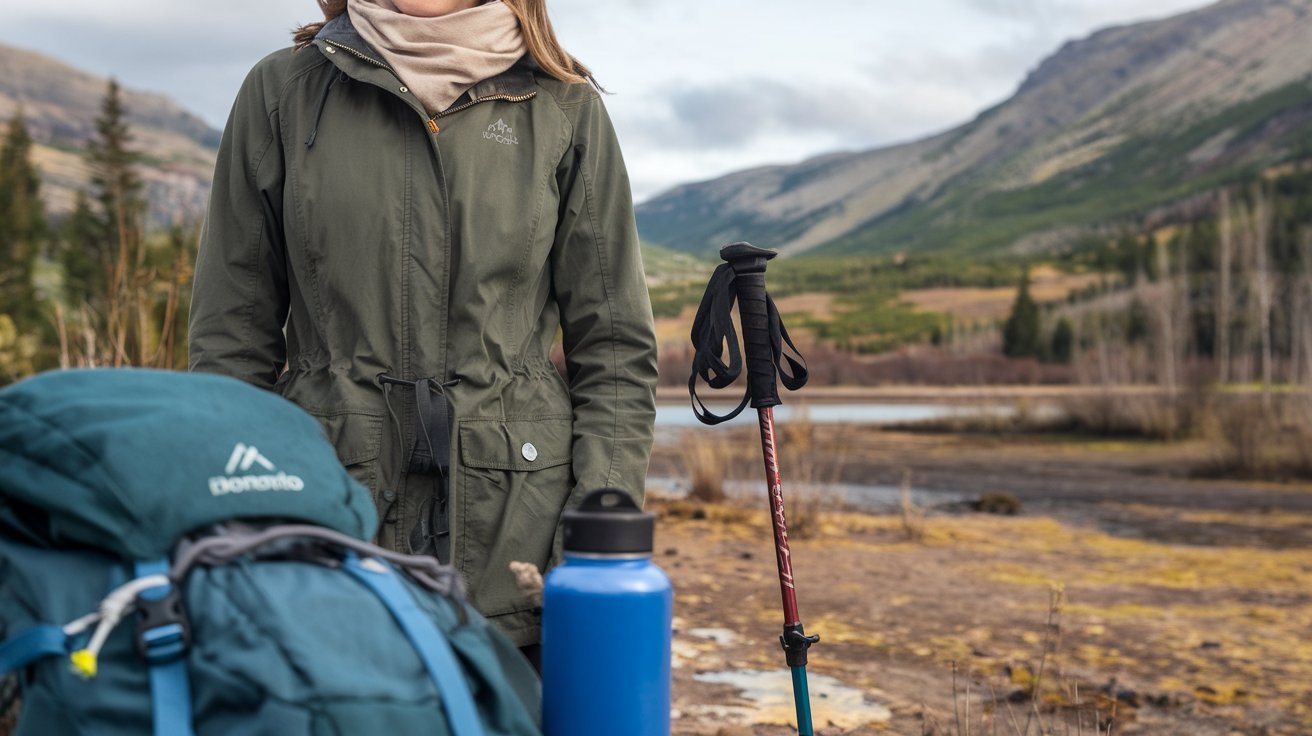
Modern trekking poles come in fixed-length, telescoping, and folding designs with prices ranging from $30 for basic aluminum models to $200+ for ultralight carbon fiber versions. For beginners, mid-range telescoping poles ($50-80) from brands like Black Diamond, Leki, or REI offer excellent durability and adjustability. Look for comfortable cork or foam grips, reliable locking mechanisms, and carbide tips for various terrain. Proper pole length positions your elbow at 90 degrees when holding the grip with the tip on the ground. Many hikers find poles especially helpful when crossing streams, navigating rocky sections, or maintaining balance with a loaded backpack.
Lighting: Headlamps and Flashlights
A reliable headlamp ranks among the critical safety items even for daytime hikes, as unexpected delays can leave you navigating trails after dark. In 2026, LED headlamps offer impressive brightness (200-500 lumens sufficient for hiking) with extended battery life and lightweight designs. Carrying a light source allows you to handle emergencies, find items in your pack, or safely return to the trailhead if your hike takes longer than planned.
Modern hiking headlamps include rechargeable batteries, multiple brightness settings, and red-light modes for preserving night vision. Budget-friendly options from Petzl, Black Diamond, and Energizer start around $20-30 and provide adequate illumination for trail use. Always pack extra batteries or ensure your rechargeable headlamp is fully charged before each hike. Many experienced hikers carry a small backup flashlight or mini keychain light as redundancy. Position your headlamp in an easily accessible pocket rather than buried in your pack, ensuring you can retrieve it quickly when needed during emergencies or unexpected darkness.
First-Aid and Emergency Supplies
A comprehensive first-aid kit addresses common trail injuries and medical situations until professional help arrives. Pre-assembled hiking first-aid kits designed for 1-4 people cost $15-40 and include bandages, blister treatment, pain relievers, antibiotic ointment, gauze, and medical tape. Customize your kit based on personal needs, adding prescription medications, extra blister prevention supplies, or specific items for known allergies or conditions affecting you or regular hiking partners.
Beyond basic first-aid, emergency supplies include a whistle for signaling (three blasts indicates distress), emergency shelter like a lightweight space blanket ($3-8), and fire-starting materials such as waterproof matches or a lighter. Consider adding a small multi-tool for gear repairs and emergency situations. Knowledge matters more than equipment—take a basic wilderness first-aid course through organizations like NOLS or the Red Cross to build confidence handling injuries on the trail. Store your first-aid kit in a waterproof bag or container, and familiarize yourself with its contents before emergencies arise so you can locate items quickly when needed.
Hydration Systems and Water Treatment
Proper hydration equipment keeps you healthy and energized throughout your hike. The standard recommendation suggests carrying one liter of water for every two hours of moderate hiking, though this increases significantly in hot weather or challenging terrain. For day hiking essentials, choose between traditional water bottles, insulated bottles that keep water cold, or hydration bladder systems that integrate into your backpack for hands-free drinking through a tube.
Water bottles offer simplicity and easy monitoring of intake, with durable options from Nalgene ($10-15) or insulated bottles from Hydro Flask ($25-45) providing reliable performance. Hydration bladders from CamelBak or Osprey ($25-50) allow frequent sipping without stopping, encouraging better hydration habits. For longer hikes or areas with natural water sources, carry water treatment methods like filter straws ($20-35), pump filters ($40-100), or purification tablets ($8-15). In 2026, many popular US trails have limited or contaminated water sources, making treatment essential for extending your range safely. Always carry more water than you think you’ll need, as dehydration significantly impairs decision-making and physical performance on the trail.
Clothing Layers and Weather Protection
The layering system forms the foundation of comfortable hiking clothing that adapts to changing conditions throughout your adventure. This system includes a moisture-wicking base layer, an insulating mid-layer, and a weather-resistant outer shell. Avoid cotton materials as they retain moisture and provide no insulation when wet—a dangerous combination in cooler weather. Modern synthetic fabrics and merino wool effectively manage moisture while maintaining warmth even when damp.
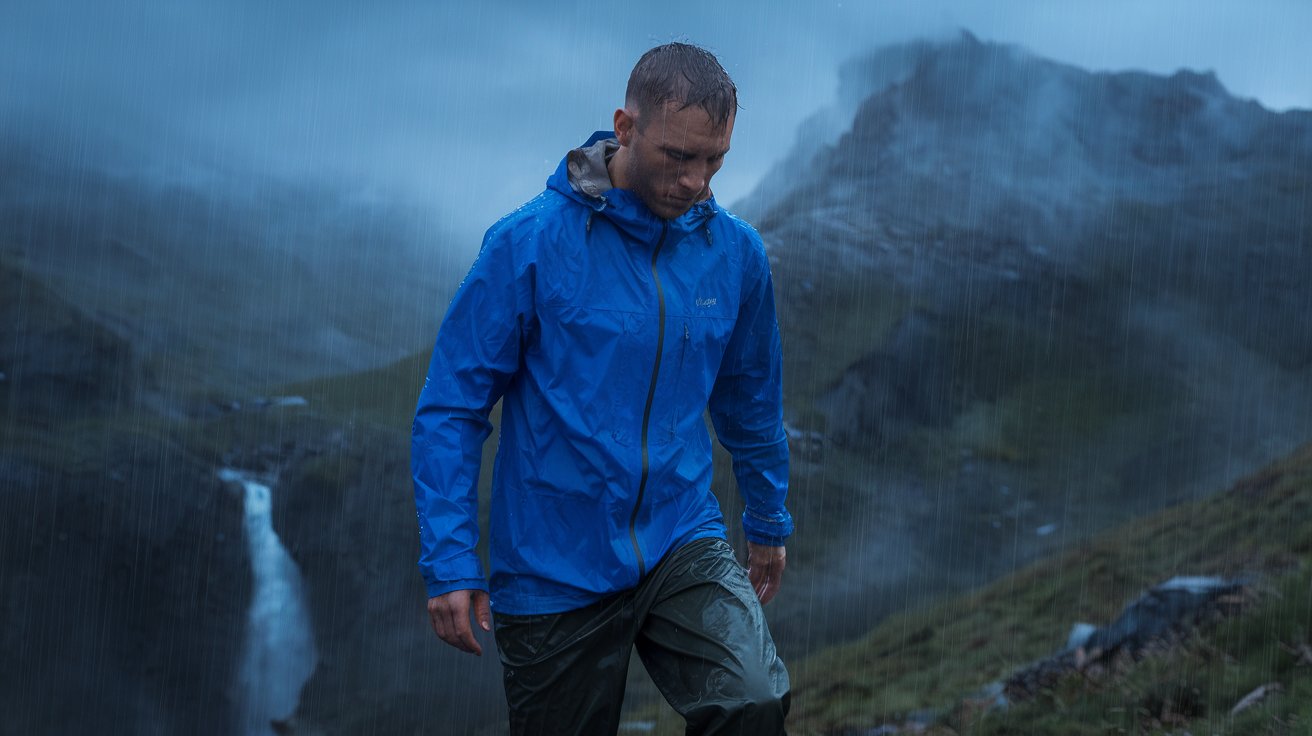
Your base layer should fit snugly against skin to wick sweat efficiently, with lightweight options for warm weather and midweight versions for cooler conditions ($25-60). Insulating layers like fleece jackets or lightweight down jackets provide warmth during breaks or temperature drops ($40-120). A waterproof and breathable rain jacket serves as your outer shell protection against wind and precipitation ($60-200 for beginner-friendly options). Pack extra layers in your backpack even on sunny days, as weather changes rapidly in many US hiking regions. The saying ‘cotton kills’ reflects the serious hypothermia risk from wearing wet cotton in cool conditions, making proper fabric selection crucial for safety.
Sun Protection Essentials
Protecting yourself from sun exposure prevents painful burns, reduces skin cancer risk, and maintains comfort during extended outdoor activities. The three pillars of sun protection include sunscreen, protective clothing, and accessories like hats and sunglasses. UV radiation intensifies at higher elevations, with roughly 10% more exposure per 3,000 feet of elevation gain, making sun protection critical even on overcast days when 80% of UV rays penetrate clouds.
Apply broad-spectrum sunscreen with SPF 30 or higher to all exposed skin 15-30 minutes before hitting the trail, reapplying every two hours or after sweating heavily ($8-15 for hiking-appropriate bottles). Wide-brimmed hats provide face and neck protection ($20-40), while UV-blocking sunglasses with wraparound coverage protect eyes from harmful rays and reduce glare ($15-100). Long-sleeve shirts and pants with UPF ratings offer additional protection without requiring reapplication. Many beginner hikers underestimate sun exposure risk, particularly in high-altitude areas, desert environments, or near water and snow that reflect UV radiation. Consistent sun protection habits established early in your hiking journey prevent cumulative skin damage and maintain long-term health.
Food and Nutrition for Day Hikes
Proper hiking nutrition fuels your body and maintains energy levels throughout your adventure. Pack calorie-dense snacks that resist crushing, don’t require refrigeration, and provide quick energy when needed. Popular trail foods include nuts, dried fruit, energy bars, jerky, trail mix, and nut butter packets. Plan for 200-300 calories per hour of moderate hiking, though individual needs vary based on intensity, body size, and metabolism.
Your hiking food should include a mix of carbohydrates for immediate energy, proteins for sustained fuel, and some fats for long-lasting calories. Pre-made energy bars cost $1-3 each, while homemade trail mix offers economical customization at roughly half that price. Pack slightly more food than your estimated need, as extra snacks provide emergency reserves if your hike takes longer than planned. Store food in resealable bags or containers to prevent attracting wildlife and maintain freshness. In bear country, follow proper food storage protocols even on day hikes. Many hikers also bring a small backup meal like a sandwich or instant soup for emergencies, adding minimal weight while providing significant peace of mind.
Health Benefits of Hiking for Beginners
Understanding the health benefits of hiking motivates consistent participation and reinforces the value of investing in proper gear. Research demonstrates that hiking provides exceptional cardiovascular exercise while building lower body strength, improving balance, and boosting mental health. A 2025 study found that regular hikers show 30% lower rates of anxiety and depression compared to sedentary individuals, with natural environments providing additional psychological benefits beyond indoor exercise.
Regarding the question ‘does hiking lower cortisol,’ multiple studies confirm that spending time on trails significantly reduces this stress hormone. A 2024 research project measured 23% average cortisol reduction after just 45 minutes of forest hiking, with benefits lasting several hours post-hike. Similarly, ‘is hiking good for bone density‘ receives strong affirmative support from orthopedic research showing that weight-bearing exercise like hiking stimulates bone formation, particularly important for preventing osteoporosis. The varied terrain encountered while hiking provides superior bone-strengthening stimulus compared to flat-surface walking, making it especially beneficial for long-term skeletal health as we age.
Budget-Friendly Gear Shopping Strategies
Building your hiking gear collection doesn’t require emptying your savings account. Strategic shopping allows beginners to acquire quality equipment while respecting budget constraints. Start with essential safety items like proper footwear, navigation tools, and first-aid supplies, then gradually add comfort and convenience items as your hiking frequency increases. Many beginners overspend on unnecessary gear promoted as ‘must-haves’ when simpler, less expensive options serve perfectly well for learning the sport.
Explore best hiking gear brands that balance quality and affordability, including REI Co-op (the retailer’s house brand), Kelty, Columbia, and Merrell. REI’s used gear section, outlet stores like Sierra Trading Post, and end-of-season sales at outdoor retailers offer 30-60% discounts on previous year models that perform identically to current versions. Join local hiking groups where experienced members often sell lightly used gear or provide recommendations for budget-friendly options. Borrowing or renting specialized items for your first few hikes helps you understand what features matter most before making purchases. A complete beginner setup including all ten essentials typically costs $300-500 when shopping strategically, with individual items added gradually rather than all at once.
Related video about hiking gear for beginners
This video complements the article information with a practical visual demonstration.
Most asked questions about hiking gear for beginners
What are the 5 essential things to bring when hiking?
The five most critical items for any hike include proper footwear (hiking boots or trail runners), sufficient water (minimum 1 liter per 2 hours), navigation tools (map, compass, or GPS device), a first-aid kit for treating injuries, and weather-appropriate clothing including a rain jacket. These five categories address the most common needs and emergencies encountered on trails. Additionally, always tell someone your hiking plans including expected return time, even for short local hikes. While the traditional ’10 Essentials’ system provides more comprehensive coverage, these five items form the absolute minimum for safe hiking in 2026.
What is the 20% rule for backpacking?
The 20% rule suggests your loaded backpack should weigh no more than 20% of your body weight to prevent excessive strain and maintain comfortable hiking pace. For example, a 150-pound hiker should carry a maximum of 30 pounds including pack weight, water, food, and gear. However, many modern hikers and experts now recommend the lighter 10-15% guideline, especially for day hiking where heavy loads aren’t necessary. Ultralight backpackers often achieve even lower percentages through careful gear selection and eliminating redundant items. For beginners, focus on carrying only essential items and gradually building strength before increasing pack weight on longer adventures.
Does hiking lower cortisol levels?
Yes, hiking significantly lowers cortisol, the body’s primary stress hormone. Research from 2024-2025 demonstrates that spending 45-90 minutes hiking in natural environments reduces cortisol levels by an average of 23-28% compared to pre-hike measurements. These benefits extend beyond the hike itself, with reduced stress markers persisting for several hours afterward. The combination of moderate physical activity, fresh air, natural scenery, and disconnection from digital devices creates powerful stress-reduction effects. Forest environments appear particularly effective, with the Japanese practice of ‘forest bathing’ showing even casual nature walks lower cortisol and improve overall mood. Regular hiking provides cumulative mental health benefits beyond single-session cortisol reduction.
Is hiking good for bone density?
Hiking provides excellent benefits for bone density due to its weight-bearing nature and varied terrain. Research confirms that the impact forces from walking on uneven trails stimulate bone formation, particularly in the hips, spine, and legs. A 2025 study found that individuals who hike regularly show 12-15% higher bone density compared to sedentary peers of the same age. The changing elevation, rocky surfaces, and natural obstacles encountered while hiking create superior bone-strengthening stimulus compared to flat-surface walking. This makes hiking especially valuable for preventing osteoporosis and maintaining skeletal strength as we age. For maximum bone health benefits, aim for 2-3 hikes weekly with varied terrain and moderate intensity that challenges your balance and stability.
What should I look for when buying my first hiking backpack?
When selecting your first hiking backpack, prioritize proper fit over features or brand names. The pack should match your torso length (not your height), with adjustable shoulder straps and a padded hip belt that transfers weight to your hips rather than shoulders. For day hiking, choose 20-30 liter capacity with external pockets for water bottles and frequently accessed items. Test the pack with weighted items in-store to assess comfort during movement. Look for ventilated back panels to reduce sweating, and ensure zippers and buckles operate smoothly. Quality beginner packs from REI Co-op, Osprey, or Deuter start around $60-100 and will serve you well for years of hiking adventures across various terrains and conditions.
How do I prevent blisters on my first hiking trips?
Preventing blisters starts with properly fitted footwear that provides adequate toe room without excessive heel slippage. Always try hiking boots or shoes with the same sock thickness you’ll wear on trails, shopping in the afternoon when feet are naturally swollen. Break in new boots gradually with 10-15 mile walks before attempting longer hikes. Wear moisture-wicking synthetic or merino wool socks rather than cotton, and consider sock liner systems for high-friction areas. Apply lubricants like Body Glide or Vaseline to known hot spots before hiking. At the first sign of irritation or hot spots, stop immediately and apply moleskin, athletic tape, or blister prevention patches. Address discomfort early before full blisters develop, as prevention is far easier than treating established blisters on the trail.
| Gear Category | Essential Items | Budget Range | Key Benefit |
|---|---|---|---|
| Footwear | Hiking boots or trail runners | $100-180 | Prevents injuries and ensures comfort |
| Backpack | 20-30L day pack | $50-100 | Carries gear comfortably |
| Navigation | Map, compass, GPS app | $10-40 | Prevents getting lost |
| Hydration | Water bottles or bladder system | $10-50 | Maintains energy and health |
| Safety | First-aid kit, headlamp, whistle | $40-80 | Handles emergencies effectively |
| Clothing | Layers, rain jacket, sun hat | $90-200 | Adapts to weather changes |
| Total Investment | Complete beginner setup | $300-500 | Safe, comfortable hiking experience |