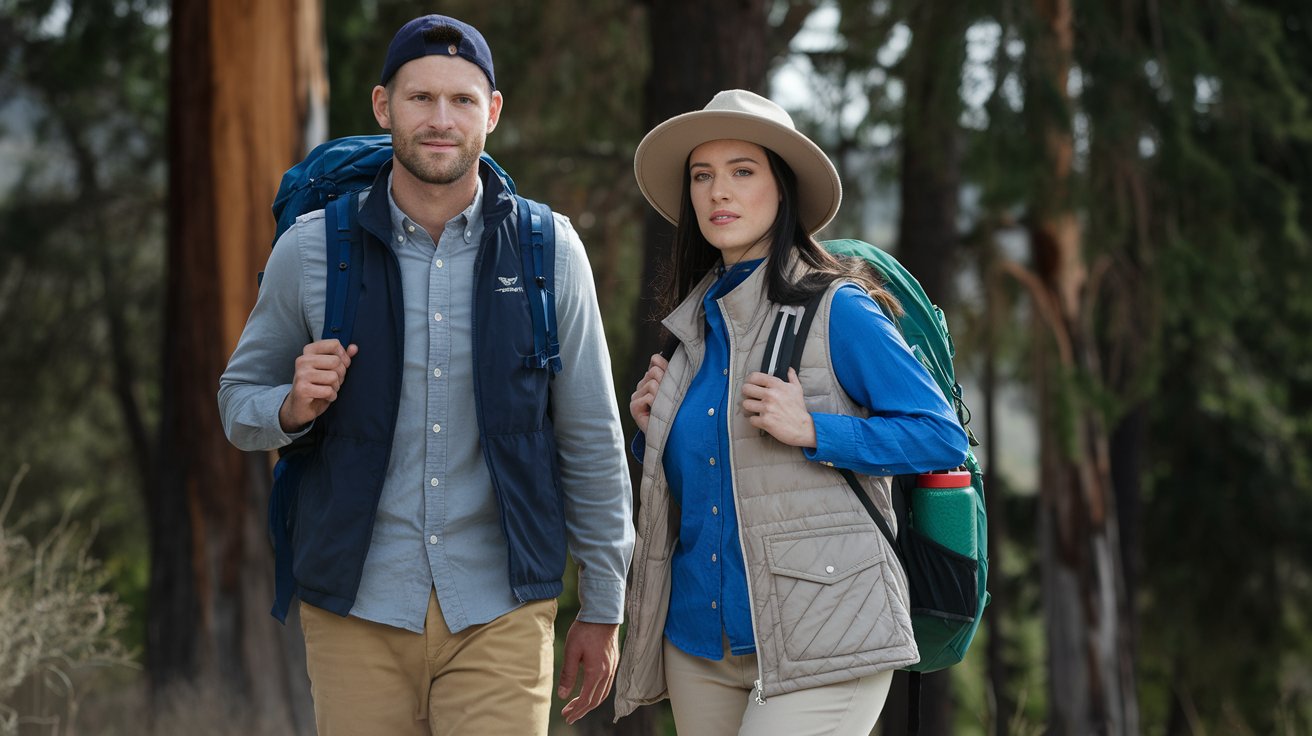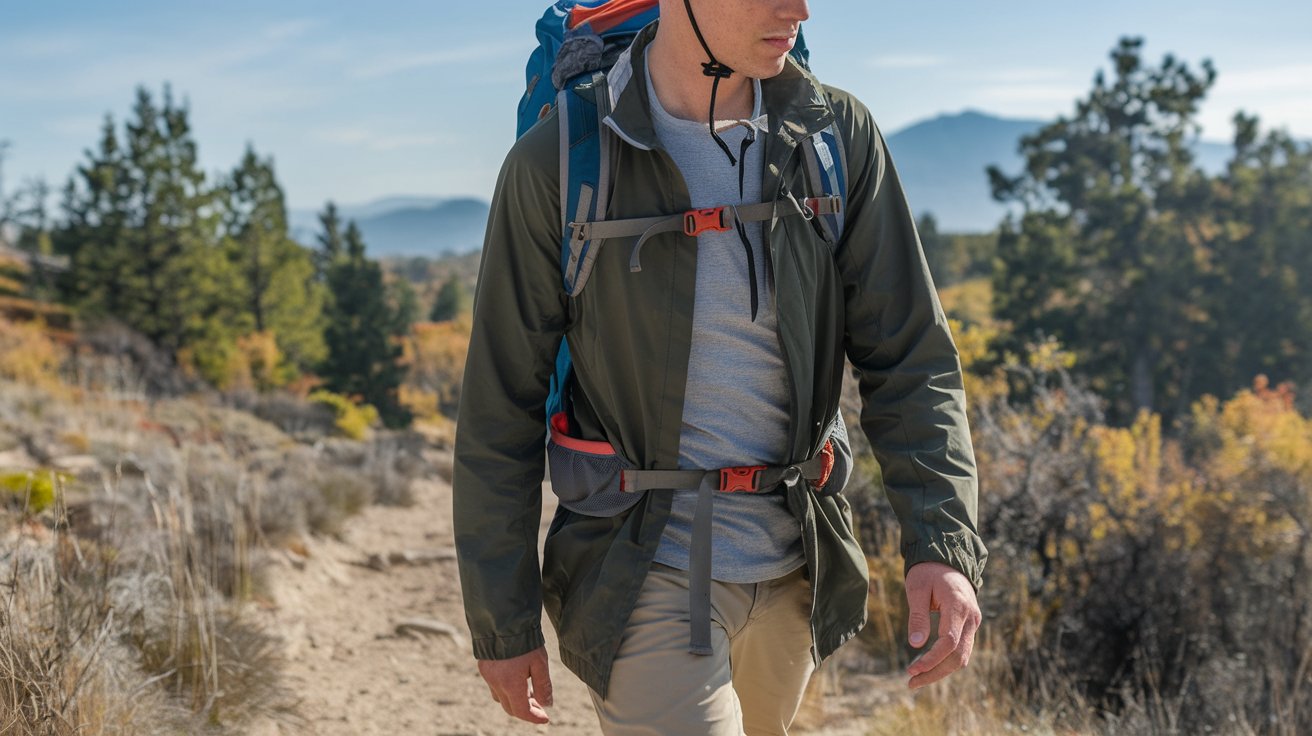
Choosing what to wear hiking can make the difference between an enjoyable trail experience and an uncomfortable ordeal. In 2026, over 58 million Americans hit the trails annually, and proper hiking clothing remains the foundation of outdoor safety and comfort. This comprehensive guide covers everything from moisture-wicking base layers to weather-specific gear, ensuring you’re prepared for any trail condition across the United States.
Essential Layering System for Hiking
The layering system is the cornerstone of proper hiking attire, allowing you to regulate body temperature efficiently throughout your adventure. This system consists of three primary layers that work together to keep you comfortable in changing conditions. Understanding how to dress in layers helps prevent both overheating during strenuous climbs and dangerous cooling during rest breaks. According to 2026 outdoor recreation studies, hikers who properly layer their clothing report 73% higher satisfaction rates and significantly fewer weather-related emergencies on US trails.
Each layer serves a specific purpose in your hiking clothing system. The base layer manages moisture against your skin, the mid-layer provides insulation, and the outer layer protects against wind and precipitation. Mastering this system allows you to add or remove clothing as conditions change, maintaining optimal comfort whether you’re hiking Arizona’s desert trails in summer or tackling Colorado’s mountain passes in fall.
Base Layer: Moisture-Wicking Foundation
Your base layer sits directly against your skin and serves the critical function of moving moisture away from your body. In 2026, advanced synthetic materials like polyester and nylon blends dominate the market, offering superior wicking properties compared to traditional cotton. Merino wool remains popular for its natural odor-resistance and temperature regulation, particularly for multi-day hikes. Choose moisture-wicking hiking tees for warm weather or long-sleeve base layers for cooler conditions and sun protection.
The best clothing for hiking starts with avoiding cotton entirely in your base layer. Cotton absorbs and retains moisture, leading to chafing, discomfort, and potentially dangerous heat loss. Modern technical fabrics dry up to 5 times faster than cotton and weigh significantly less when wet. For summer hiking, lightweight synthetic tees provide excellent breathability, while mid-weight merino wool works well for three-season use across most US climate zones.
Mid-Layer: Insulation and Warmth
The mid-layer provides insulation by trapping warm air close to your body, essential for early morning starts and higher elevation hikes. Fleece jackets, synthetic insulated jackets, and lightweight down pieces all serve as effective mid-layers depending on conditions. A mid-weight long sleeve layer offers versatility for changing temperatures, easily stowing in your pack when the sun intensifies. In 2026, grid-fleece technology provides exceptional warmth-to-weight ratios while maintaining breathability during active hiking.
Choose your mid-layer clothing based on the expected temperature range and activity level. For moderate spring and fall hiking in the Pacific Northwest or Northeast, a 200-weight fleece provides reliable warmth without bulk. Active hikers on steep terrain may prefer lighter 100-weight options that won’t cause overheating during climbs. Synthetic insulated jackets work better than down in wet climates, maintaining warmth even when damp.
Outer Layer: Weather Protection
Your outer layer shields you from wind, rain, and snow, making it essential for unpredictable mountain weather. Quality hiking jackets feature waterproof-breathable membranes that keep precipitation out while allowing perspiration to escape. In 2026, advanced Gore-Tex and proprietary membrane technologies offer impressive breathability ratings, preventing the clammy feeling associated with older rain gear. Always pack a shell layer, even on clear days, as weather conditions can change rapidly at elevation.
When selecting hiking jackets, consider features like adjustable hoods, pit zips for ventilation, and adequate pocket placement. Lightweight packable shells weighing under 12 ounces work well for summer hiking, while more robust jackets with taped seams provide better protection for shoulder-season adventures. The best approach is carrying your outer layer in your pack and deploying it at the first sign of weather changes or when stopping for breaks in windy conditions.
Hiking Pants and Bottoms Selection
Choosing appropriate hiking pants significantly impacts your trail comfort and performance. The decision between pants, shorts, and leggings depends on weather conditions, terrain type, and personal preference. In 2026, technical fabric innovations have produced incredibly versatile bottoms that handle diverse conditions while providing freedom of movement. Understanding the strengths of each option helps you select the best hiking bottoms for your specific adventure across different US regions and seasons.
Modern hiking pants incorporate stretch fabrics, reinforced knees, and UPF sun protection, addressing the varied demands of trail environments. Whether navigating brushy terrain in the Appalachians, scrambling over Rocky Mountain talus fields, or desert hiking in the Southwest, your bottom layer choice affects comfort, protection, and performance throughout your journey.
Hiking Pants for Maximum Protection
Full-length hiking pants provide comprehensive protection from sun exposure, scratchy vegetation, insects, and abrasive terrain. Convertible pants with zip-off legs offer versatility for changing conditions, though dedicated hiking pants typically offer better fit and durability. Look for pants constructed from nylon or polyester blends with 2-way or 4-way stretch for unrestricted movement on steep sections. In 2026, many quality hiking pants feature DWR (Durable Water Repellent) finishes that shed light moisture and dry quickly.
For cooler weather hiking or fall hiking conditions, softshell pants provide light insulation while maintaining breathability during active movement. These work exceptionally well for high-output activities in temperatures ranging from 40-60°F, common across much of the US during spring and autumn hiking seasons. Articulated knees and gusseted crotches improve comfort during extended wear, particularly important for full-day adventures covering 10+ miles.
Hiking Shorts for Warm Weather
When temperatures rise above 70°F, hiking shorts provide superior ventilation and freedom of movement. Quality hiking shorts feature longer inseams (7-9 inches for men, 5-7 inches for women) that prevent chafing while offering sun protection. Avoid cotton gym shorts in favor of synthetic materials that wick moisture and dry rapidly during rest breaks. Many 2026 designs incorporate zippered pockets for secure gear storage and built-in UPF 50+ sun protection.
Women’s hiking shorts often include wider waistbands for enhanced comfort under pack hip belts and flattering cuts that perform well on technical terrain. For summer hiking across the desert Southwest, southern Appalachian trails, or Pacific Coast routes, shorts keep you cooler while reducing pack weight. Pair them with high-quality hiking socks to prevent blisters and protect ankles from low-lying vegetation.
Hiking Leggings and Tights
Hiking leggings have surged in popularity, particularly among women hikers, offering excellent mobility and moisture management. Unlike fashion leggings, purpose-built women’s hiking leggings feature reinforced fabric in high-wear areas, secure pocket systems, and fabrics thick enough to prevent transparency. These work exceptionally well for cool morning starts, transitioning comfortably as temperatures climb throughout the day. Many hikers appreciate the smooth fabric against skin, eliminating the chafing sometimes experienced with traditional pants.
Choose hiking leggings with flat-locked seams to prevent irritation during long miles and fabrics rated UPF 50+ for sun protection. In 2026, compression leggings designed specifically for hiking offer muscle support during steep descents, potentially reducing fatigue and post-hike soreness. Pair leggings with longer hiking shirts or lightweight shorts for added coverage and pocket capacity on full-day adventures across varied terrain.
What to Wear Hiking in Different Seasons
Understanding how to dress for different seasons ensures comfort and safety throughout the year on US trails. Each season presents unique challenges requiring specific clothing adaptations. Temperature swings, precipitation patterns, and daylight hours all influence your hiking wardrobe decisions. In 2026, climate variability has made season-appropriate dressing even more critical, with many regions experiencing wider temperature fluctuations and unpredictable weather patterns requiring flexible layering strategies.
Regional variations across the United States add another layer of complexity to seasonal dressing. Summer conditions in Montana’s high country differ dramatically from summer hiking in Georgia’s piedmont. Similarly, fall hiking in New England requires different preparation than autumn adventures in the Pacific Northwest. Adapting your clothing to both season and region maximizes comfort while minimizing gear carried.
Summer Hiking Clothing Essentials
For summer hiking, prioritize breathability, sun protection, and moisture management. Lightweight, light-colored clothing reflects solar radiation and keeps you cooler than dark fabrics. A moisture-wicking hiking tee or tank top paired with hiking shorts creates an effective warm-weather combination for most US trails. Don’t forget UPF-rated sun protection clothing for exposed alpine zones or desert environments where shade is limited. In 2026, many hikers opt for long-sleeve sun shirts with built-in ventilation rather than applying sunscreen repeatedly during long days.
When temperatures exceed 80°F, common across much of the US from June through August, focus on staying cool while protecting yourself from sun exposure. Wide-brimmed hats, breathable footwear, and strategic hydration become as important as what clothing you choose. Even in hot conditions, pack a lightweight wind shell for exposed ridgelines and sudden afternoon thunderstorms, particularly in mountainous regions where weather changes rapidly regardless of season.
Fall Hiking Attire Strategy
Fall hiking demands versatile layering as temperatures can swing 30-40°F between morning and afternoon. Start with a moisture-wicking base layer, add a mid-weight fleece or insulated jacket for the cool start, and pack these layers as you warm up. Long pants or convertible pants work better than shorts for autumn hiking, protecting against cooler temperatures and scratchy vegetation dying back after summer growth. This season showcases layering at its finest, requiring strategic addition and removal of clothing throughout your hike.
For hiking in 60 degree weather, typical of fall conditions across much of the US, many hikers find success with a long-sleeve base layer and lightweight pants, carrying an insulated layer and shell for higher elevations or weather changes. This temperature range often feels perfect for hiking once you’re moving, but can feel chilly during breaks. The key is starting slightly cool, knowing you’ll warm up within 10-15 minutes of active hiking, then adding layers during rest stops to prevent cooling.
Winter and Cold Weather Hiking Gear
Winter hiking elevates the importance of proper clothing to a safety concern rather than just comfort consideration. Multiple insulating layers, waterproof-breathable outer shells, and extremity protection become non-negotiable. Synthetic or wool base layers maintain warmth even when damp from perspiration, while insulated pants or heavyweight softshells protect your legs in below-freezing conditions. In 2026, advanced synthetic insulation provides warmth comparable to down while maintaining loft when wet, ideal for variable winter conditions.
Don’t overlook accessories when planning winter hiking clothing. Warm gloves or mittens, moisture-wicking socks with insulated boots, neck gaiters, and insulated hats prevent dangerous heat loss through extremities. Winter hiking in states like Colorado, Montana, or Vermont requires significantly more planning and appropriate clothing layers than summer adventures. Always pack extra insulation beyond what you think you’ll need, as weather can deteriorate quickly at elevation during winter months.
Hiking Footwear and Sock Selection
Proper hiking shoes and socks form the foundation of trail comfort, with poor choices leading to blisters, foot fatigue, and potential injury. The footwear category has expanded significantly in 2026, offering options from minimalist trail runners to heavyweight backpacking boots. Your choice depends on terrain difficulty, pack weight, ankle stability needs, and personal preference. Understanding the trade-offs between different hiking footwear styles helps you select the right option for your specific adventures across diverse US landscapes.
The traditional wisdom of always wearing heavy hiking boots has evolved, with many experienced hikers choosing lighter options for most trails. Trail runners offer superior breathability and comfort for well-maintained paths, while mid-height hiking boots provide ankle support and protection for rocky, uneven terrain. Matching your footwear to your hiking style and typical trail conditions optimizes comfort while minimizing unnecessary weight.
Choosing the Right Hiking Shoes
Modern hiking shoes range from low-cut trail runners weighing under 2 pounds per pair to full-grain leather boots exceeding 3 pounds. For day hiking on maintained trails, lightweight hiking shoes or trail runners provide excellent performance with less fatigue than traditional boots. These typically feature cushioned midsoles, aggressive tread patterns for traction, and enough toe protection for rocky terrain. In 2026, waterproof-breathable membranes in hiking shoes have improved significantly, keeping feet dry without the swampy feeling of earlier designs.
Mid-height hiking boots offer additional ankle support beneficial for uneven terrain, stream crossings, and carrying heavier packs. Look for boots with quality construction, proper arch support, and materials suited to your typical hiking conditions. Break in new hiking footwear gradually before committing to long adventures, as even the best-fitting shoes require an adjustment period. Many experienced hikers maintain multiple pairs, selecting footwear based on specific trip requirements rather than using one pair for all conditions.
Hiking Socks for Blister Prevention
Quality hiking socks rival footwear in importance for blister prevention and overall foot comfort. Choose synthetic or wool blend socks that wick moisture away from skin, as wet feet blister far more easily than dry feet. Avoid cotton socks entirely, as they retain moisture and lose cushioning when wet. In 2026, merino wool hiking socks dominate the market, offering natural odor resistance, excellent moisture management, and comfort across wide temperature ranges. Many hikers prefer cushioned socks for long distances, while others choose thinner designs for better ground feel.
Proper sock height prevents rubbing from boot collars while providing adequate coverage. Crew-length socks work well with mid-height boots, while quarter or ankle socks pair better with low-cut trail shoes. Some experienced hikers use a thin liner sock under their primary hiking sock to reduce friction and manage moisture more effectively. This two-sock system can significantly reduce blister formation during long-distance hiking or multi-day adventures across challenging US trails.
What Not to Wear While Hiking
Understanding what not to wear hiking prevents discomfort and potential safety issues on the trail. Certain clothing items and materials consistently cause problems for hikers, yet beginners often make these mistakes. Avoiding these common pitfalls ensures a more enjoyable experience while reducing the risk of chafing, overheating, or inadequate protection. Learning from others’ mistakes saves you from uncomfortable discoveries miles from the trailhead.
Fashion considerations should always yield to function when selecting hiking attire. Clothing that looks great in casual settings often performs poorly on trails, where moisture management, durability, and weather protection matter far more than style. In 2026, technical outdoor clothing has become more stylish, but performance characteristics should always drive your selection process for serious hiking adventures.
Cotton Clothing: The Biggest Mistake
Cotton clothing represents the single most common mistake in hiking clothing selection. The phrase “cotton kills” exists for good reason—cotton absorbs moisture, dries slowly, and loses all insulating properties when wet. A cotton t-shirt becomes heavy, clammy, and potentially dangerous in cool conditions once saturated with sweat. Replace all cotton items with synthetic materials or merino wool that manage moisture effectively and maintain warmth when damp. This applies to underwear, base layers, and even socks.
Many hikers wear cotton during their first few outings before discovering its limitations through uncomfortable experience. In humid climates or during strenuous climbs, cotton clothing becomes soaked within 30 minutes, leading to chafing and discomfort. In cooler conditions, wet cotton draws heat away from your body rapidly, creating dangerous cooling during rest breaks. Investing in quality synthetic or wool alternatives immediately improves your hiking experience regardless of season or location.
Inappropriate Footwear Choices
Wearing inappropriate footwear ruins hiking experiences faster than any other gear mistake. Fashion sneakers, casual shoes, or worn-out athletic shoes lack the traction, support, and protection necessary for trail conditions. These shoes often have smooth soles that slip on wet rocks, inadequate toe protection for rocky terrain, and poor arch support causing foot fatigue. Always choose purpose-built hiking shoes or boots designed for trail conditions you’ll encounter.
Flip-flops, sandals (except purpose-built hiking sandals), and high-heeled footwear have no place on hiking trails beyond short, flat nature walks. Even sport sandals, while acceptable for some water crossings, don’t provide adequate protection or support for extended trail use. The small investment in proper hiking footwear pays dividends in comfort, safety, and enjoyment across all your outdoor adventures.
Jeans and Heavy Denim
Jeans and heavy denim restrict movement, absorb moisture, and take hours to dry once wet. The rigid fabric chafes during repetitive hiking motions and becomes extraordinarily uncomfortable when damp. Despite their durability in other contexts, jeans perform poorly on trails compared to modern hiking pants designed for active movement. The weight penalty alone makes jeans impractical—wet denim can add several pounds to your load.
If you need durable, protective hiking bottoms, choose technical pants with reinforced fabric panels rather than relying on denim’s inherent toughness. Modern hiking pants provide equal or better abrasion resistance while offering superior breathability, stretch, and moisture management. Reserve jeans for casual wear and choose specialized hiking pants for trail adventures across all conditions and seasons.
Gender-Specific Hiking Clothing Considerations
While many hiking clothing principles apply universally, gender-specific designs address different body shapes and proportions for improved fit and comfort. Women’s and men’s hiking clothing differs in cut, sizing, and feature placement to accommodate these variations. Understanding these differences helps you select hiking attire that fits properly and performs optimally during extended trail time. In 2026, the outdoor industry offers extensive options for all body types, moving beyond traditional gender categories to focus on fit and function.
Proper fit affects more than just comfort—poorly fitting clothing can cause chafing, restrict movement, and fail to provide adequate protection. Taking time to find hiking clothing that matches your body shape and size significantly enhances your trail experience regardless of distance or difficulty level.
What to Wear Hiking for Women
Women’s hiking clothing features cuts designed for wider hips, narrower shoulders, and different torso proportions than men’s designs. Women’s hiking pants often include contoured waistbands that sit comfortably under pack hip belts without gapping. Sports bras designed for high-impact activity provide essential support during trail hiking, particularly on uneven terrain requiring dynamic movement. Many women prefer hiking leggings for their flexibility and comfortable fit, though quality hiking-specific designs differ significantly from casual athletic leggings.
When selecting what to wear hiking ladies should prioritize fit over style, ensuring clothing allows full range of motion without binding or chafing. Women’s hiking shirts accommodate different proportions with appropriate sleeve and torso lengths, while women’s hiking shorts feature longer inseams for better coverage and chafe prevention. In 2026, major outdoor brands offer extensive women’s-specific lines addressing diverse body types and preferences beyond basic sizing adjustments.
What to Wear Hiking for Men
Men’s hiking clothing accommodates broader shoulders, longer torsos, and different hip-to-waist ratios through specific pattern adjustments. Men’s hiking pants typically feature straighter cuts through the hips and seat compared to women’s designs, with different pocket placement and sizing. When determining what to wear hiking men should focus on fabrics that handle high sweat production during strenuous activity, as men typically perspire more than women during equivalent exertion levels.
Men’s hiking shirts offer roomier chest and shoulder areas while maintaining athletic fits that don’t flap in wind or catch on vegetation. Longer shirt tails stay tucked during active movement, while appropriate sleeve lengths prevent restriction during scrambling or reaching overhead. Quality men’s hiking clothing in 2026 incorporates stretch fabrics and articulated designs that accommodate athletic builds while remaining comfortable during all-day wear with loaded packs.
Essential Hiking Accessories Beyond Clothing
Beyond core clothing layers, several accessories significantly impact hiking comfort and safety. Hats provide crucial sun protection while helping regulate body temperature. Wide-brimmed hats shield your face, neck, and ears from harmful UV exposure during exposed trail sections, while insulated beanies prevent heat loss during cold-weather hiking. In 2026, many hiking hats incorporate UPF 50+ rated fabrics and moisture-wicking sweatbands for enhanced performance during extended sun exposure.
Gloves range from lightweight liner gloves for cool morning starts to insulated winter gloves for cold-weather adventures. Neck gaiters and buffs provide versatile protection, functioning as neck warmers, face masks, headbands, or sun shields depending on conditions. Quality sunglasses protect your eyes from UV damage while improving vision on bright, reflective snow or water. These hiking accessories complement your clothing system, addressing specific protection needs that layers alone cannot satisfy.
Matching Clothing to Hiking Intensity and Duration
Your clothing choices should reflect both the intensity of your planned activity and trip duration. High-output activities like steep climbs or trail running generate more body heat and perspiration, requiring more breathable fabrics and fewer layers than casual walking. Conversely, low-intensity hiking or frequent photo stops may require additional insulation to stay comfortable during reduced activity periods. Understanding your personal temperature regulation and typical hiking pace helps you dial in the perfect layering system for your adventures.
Day hikes allow you to pack extra clothing options without significant weight penalty, providing flexibility for changing conditions. Multi-day backpacking trips require more careful clothing selection, balancing versatility against pack weight and volume. In these situations, choosing pieces that serve multiple functions—like pants that convert to shorts or jackets that pack into their own pocket—maximizes utility while minimizing carried weight across extended wilderness adventures.
Caring for Your Hiking Clothing
Proper care extends the lifespan of hiking clothing while maintaining performance characteristics. Technical fabrics require specific washing protocols to preserve moisture-wicking treatments and DWR coatings. Wash hiking clothes in cool water with specialized technical fabric detergents that clean effectively without leaving residue that impairs breathability. Avoid fabric softeners entirely, as they coat fibers and significantly reduce moisture management performance. In 2026, advanced washing products designed specifically for outdoor clothing make care simple while protecting your investment.
Periodically reapply DWR treatments to rain shells and other water-resistant garments to restore water-shedding performance. Store clean, dry hiking clothing in a cool, dry location away from direct sunlight that can degrade fabrics over time. Inspect gear regularly for wear points, loose threads, or damaged zippers, addressing small issues before they become major failures. Well-maintained technical clothing performs reliably for years, making the initial investment worthwhile for regular hikers throughout the United States.
Related video about what to wear hiking
This video complements the article information with a practical visual demonstration.
Most asked questions about what to wear hiking
What kind of clothing is best for hiking?
The best clothing for hiking consists of moisture-wicking synthetic or merino wool base layers, breathable mid-layers for insulation, and waterproof-breathable outer shells for weather protection. Avoid cotton entirely and choose fabrics specifically designed for active outdoor use. In 2026, technical hiking clothing incorporates advanced moisture management, stretch fabrics, and durability features that significantly outperform casual athletic wear. A proper layering system allows you to regulate temperature efficiently across changing conditions and activity levels.
What is the dress code for hiking?
There is no formal dress code for hiking, but functional performance should guide all clothing choices. Prioritize moisture-wicking fabrics, appropriate layers for expected conditions, and footwear suited to terrain difficulty. Most US trails welcome any clothing that keeps you safe and comfortable, though some managed areas may restrict certain items for safety reasons. The unwritten code emphasizes preparedness over fashion—wearing appropriate gear demonstrates respect for the environment and your own safety on the trail.
What not to wear while hiking?
Avoid cotton clothing, jeans, fashion sneakers, and any footwear lacking proper traction and support. Cotton absorbs moisture and dries slowly, creating discomfort and potential hypothermia risk. Jeans restrict movement and become heavy when wet. Inappropriate footwear causes blisters, provides inadequate protection, and increases injury risk on uneven terrain. In 2026, with abundant technical clothing options available at various price points, there’s no reason to compromise safety and comfort by wearing inappropriate items on hiking trails.
Does hiking lower cortisol levels?
Yes, hiking reduces cortisol, the body’s primary stress hormone, through combination of physical activity and nature exposure. Studies consistently show that spending time on trails decreases cortisol levels by 12-15% compared to urban environments. This physiological response contributes to hiking’s mental health benefits, including reduced anxiety and improved mood. The stress-reducing effects are enhanced when you’re comfortable and properly dressed, allowing you to focus on the experience rather than discomfort from inappropriate clothing choices.
What should I wear hiking in 60 degree weather?
For hiking in 60 degree weather, wear a moisture-wicking long-sleeve base layer or short-sleeve shirt with a lightweight mid-layer you can remove as you warm up. Long pants or convertible pants work well at this temperature, though shorts are viable if you run warm. Always pack a wind shell or light jacket for exposed areas or weather changes. This temperature range feels ideal once you’re moving but can seem cool at the trailhead, so start with layers you can remove and store in your pack.
Should I wear hiking pants or shorts?
Choose hiking pants for cooler weather, brushy terrain, significant sun exposure, or when insect protection is needed. Select hiking shorts for temperatures above 70°F on well-maintained trails where vegetation contact is minimal. Many hikers prefer convertible pants offering both options in one garment. Consider the specific trail conditions, weather forecast, and your personal temperature regulation when deciding. In 2026, both options feature technical fabrics that perform excellently, making the choice primarily about protection needs versus ventilation preferences.
| Clothing Layer | Recommended Materials | Primary Function | Season Suitability |
|---|---|---|---|
| Base Layer | Polyester, merino wool, synthetic blends | Moisture-wicking and skin comfort | All seasons (weight varies) |
| Mid Layer | Fleece, synthetic insulation, down | Warmth and insulation | Fall, winter, spring |
| Outer Shell | Waterproof-breathable membranes | Weather protection | All seasons (always pack) |
| Hiking Pants | Nylon/polyester with stretch | Protection and mobility | Cool to moderate temps |
| Hiking Shorts | Quick-dry synthetic fabrics | Ventilation in warm weather | Summer (70°F+) |
| Footwear | Trail runners, hiking boots, approach shoes | Traction, support, protection | All seasons (style varies) |
| Socks | Merino wool, synthetic blends | Moisture control, blister prevention | All seasons (weight varies) |