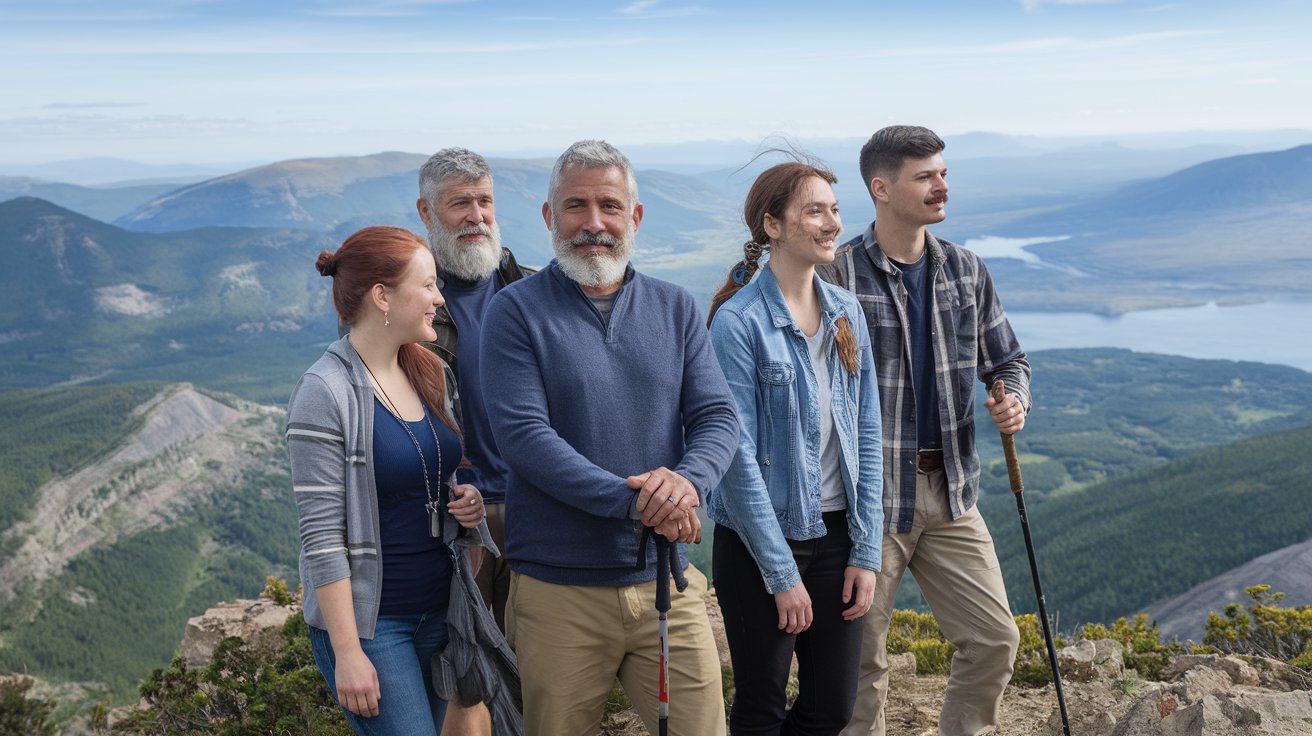
Packing for a day hike requires careful consideration of essential hiking gear to ensure safety, comfort, and enjoyment on the trail. Whether you’re a beginner or experienced hiker, having the right equipment can make the difference between a memorable adventure and an uncomfortable ordeal. This comprehensive guide covers everything you need to pack for successful day hiking across United States trails in 2026, from hydration systems to emergency gear, helping you prepare for any situation you might encounter during your outdoor adventure.
Essential Hydration and Water Filtration Systems
Proper hydration remains the most critical factor for day hiking success, with the American Hiking Society recommending approximately half a liter of water per hour of moderate activity in temperate conditions. For a typical 4-6 hour day hike in 2026, you should carry 2-3 liters of water minimum, adjusting based on temperature, elevation gain, and personal needs. In hot summer conditions across states like Arizona, Nevada, or Southern California, increase this to 3-4 liters to prevent dehydration and heat-related illness.
Modern hydration systems include traditional water bottles, hydration bladders with drinking tubes, or collapsible bottles that save pack space when empty. Popular brands like CamelBak, Platypus, and HydraPak offer reliable bladder systems that integrate seamlessly with most day packs. Additionally, carrying a portable water filter such as the Sawyer Squeeze, LifeStraw, or Katadyn BeFree provides backup hydration options if you encounter natural water sources, reducing the weight of carrying all water from the trailhead and providing emergency reserves for unexpected delays.
Nutrition and Snack Planning for Day Hikes
Adequate hiking nutrition maintains energy levels throughout your adventure and prevents the fatigue that leads to poor decision-making on the trail. Plan for approximately 200-300 calories per hour of hiking, selecting foods that combine carbohydrates for quick energy with protein and healthy fats for sustained fuel. For a standard 5-hour day hike, pack 1000-1500 calories in easily accessible, non-perishable items that won’t spoil in warm temperatures or freeze in cold conditions across diverse United States climates.
Ideal day hiking snacks include trail mix with nuts and dried fruit, energy bars from brands like Clif or RXBAR, jerky for protein, fresh fruit like apples or oranges, nut butter packets, whole grain crackers, and cheese that travels well. Avoid foods that melt easily in heat or require refrigeration. Pack snacks in resealable bags or containers, and include one complete lunch if your hike extends beyond 4 hours. Energy gels or chews provide quick glucose during strenuous sections with significant elevation gain. Always carry extra food beyond your planned needs as part of emergency preparedness, ensuring you have reserves if the hike takes longer than anticipated or you need to spend unexpected time on the trail.
Layering System: What to Wear and Pack
The clothing layer system for day hiking follows the proven three-layer approach used by outdoor professionals across United States wilderness areas. This system includes a moisture-wicking base layer against skin, an insulating mid-layer for warmth, and a weatherproof outer layer for protection from elements. Understanding and implementing proper layering allows you to adapt quickly to changing conditions, manage body temperature during exertion, and maintain comfort throughout varied terrain and weather patterns common in 2026 hiking conditions.
Base Layer and Hiking Outfit
Your base layer hiking clothes should consist of moisture-wicking synthetic or merino wool materials that pull sweat away from skin and dry quickly. Start with a lightweight, breathable shirt in polyester or merino wool that provides sun protection with UPF ratings. For bottoms, wear comfortable hiking pants or shorts with stretch fabric, multiple pockets, and reinforced knees for durability on rocky trails. Popular choices include convertible pants that zip off into shorts, providing versatility for changing temperatures throughout the day.
Quality hiking socks prevent blisters and provide cushioning, with merino wool or synthetic blends offering the best moisture management and temperature regulation. Avoid cotton socks entirely, as they retain moisture and cause friction. Choose crew-length or taller socks that extend above your boot collar to prevent debris from entering your footwear. Wear properly fitted, broken-in hiking boots or trail runners appropriate for your terrain, with ankle support for rocky trails and lighter shoes for maintained paths.
Mid-Layer Insulation
Pack at least one insulating mid-layer even on seemingly warm days, as temperatures can drop significantly with elevation gain, weather changes, or at rest stops where your body cools quickly. Fleece jackets, synthetic insulated jackets, or lightweight down jackets provide excellent warmth-to-weight ratios for day hiking across United States trails. In 2026, advanced synthetic insulations like PrimaLoft or Polartec offer warmth even when wet, making them ideal for unpredictable conditions in regions like the Pacific Northwest or Rocky Mountains.
Choose a mid-layer that compresses easily into your day pack when not needed, taking minimal space while remaining accessible when temperatures drop. Quarter-zip fleeces allow ventilation control without complete removal, while full-zip designs offer maximum versatility. For spring and fall hiking, or high-elevation summer hikes above 8000 feet, a lightweight puffy jacket provides essential warmth during breaks and unexpected weather changes common across mountainous terrain.
Outer Layer Weather Protection
A waterproof rain jacket serves as your essential outer layer, protecting against rain, wind, and snow while maintaining breathability to prevent internal moisture buildup from perspiration. Modern rain jackets use technologies like Gore-Tex, eVent, or proprietary membranes that balance waterproofing with breathability. Even if forecasts predict clear weather, mountain conditions change rapidly, and afternoon thunderstorms frequently develop across United States hiking regions from the Appalachians to the Sierra Nevada during summer months.
Select a packable rain jacket that stuffs into its own pocket or a small stuff sack, weighing between 6-12 ounces for ultralight options to 1 pound for more durable designs. Features to prioritize include a hood that fits over or under your hat, pit zips for ventilation during high-output activities, and adequate pocket space for essentials. For desert hiking or hot conditions, a lightweight wind shell provides sun and wind protection without the weight of a full rain jacket, while still offering basic weather resistance for unexpected changes.
Choosing the Right Day Pack
Your day hiking backpack serves as the foundation for comfortable gear transport, with ideal capacity ranging from 20-30 liters for standard day hikes. This size accommodates all essentials including extra layers, food, water, and safety gear without excessive bulk or weight. Leading brands like Osprey, Gregory, Deuter, and REI offer excellent day packs with features specifically designed for hiking, including ventilated back panels, hip belt pockets, hydration sleeves, and multiple compartments for organization.
Key features in a quality 2026 day pack include adjustable torso length for proper fit, padded shoulder straps and hip belt to distribute weight effectively, and external attachment points for trekking poles or extra gear. Look for packs with breathable mesh back panels that reduce sweating, especially for hiking in humid eastern United States regions or hot southwestern deserts. Pack weight should remain minimal when empty, typically 1-2 pounds, allowing you to carry 10-15 pounds of gear comfortably. Test the pack with weight before committing to ensure proper fit, as an ill-fitting pack causes discomfort and potential injury during longer hikes.
For minimalist hikers covering shorter distances with minimal elevation gain, hiking waist packs or sling bags offer lightweight alternatives to traditional backpacks. These carry essentials like water bottles, snacks, phone, and a light jacket for well-maintained trails close to trailheads. However, full day packs remain recommended for any hike exceeding 2-3 hours or venturing into remote areas where emergency gear becomes critical for safety and preparedness.
The Ten Essentials for Day Hiking Safety
The Ten Essentials system originated with The Mountaineers and has guided outdoor safety planning for decades across United States hiking communities. These categories ensure you carry items necessary for emergency situations, unexpected overnight stays, or route-finding challenges. In 2026, while technology has advanced many of these items, the core principles remain unchanged, focusing on navigation, sun protection, insulation, illumination, first aid, fire starting, repair tools, nutrition, hydration, and emergency shelter.
Navigation Tools and Maps
Reliable navigation systems prevent getting lost and enable route planning even when trail markers disappear or conditions deteriorate. Always carry a detailed topographic map of your hiking area and a magnetic compass, with knowledge of how to use both together for triangulation and route finding. Physical maps don’t require batteries and work in all conditions, providing backup when electronic devices fail. USGS topographic maps or specialized hiking maps from National Geographic Trails Illustrated cover most popular United States hiking regions with 1:24000 scale detail.
Complement physical navigation with GPS devices or smartphone apps like Gaia GPS, AllTrails, or CalTopo that provide real-time location tracking, downloaded offline maps, and route recording. Download maps before leaving cell coverage, as most United States wilderness areas lack reliable cellular service. Carry a protective case for your phone and consider a dedicated GPS unit like Garmin GPSMAP or inReach devices for reliable positioning in challenging weather conditions. Learn basic navigation skills before relying solely on technology, ensuring you can find your way if electronics fail.
Sun Protection and Illumination
Comprehensive sun protection includes broad-spectrum sunscreen with SPF 30 or higher, sunglasses with UV protection, and a wide-brimmed hat or cap. Apply sunscreen to all exposed skin 15-30 minutes before sun exposure and reapply every two hours, especially at high elevations where UV radiation intensifies. Choose water-resistant formulas that won’t immediately wash away with perspiration. Lip balm with SPF prevents painful, cracked lips common in dry, sunny conditions across western United States trails.
Pack a reliable headlamp or flashlight even for day hikes, as delays from slower hiking pace, route-finding challenges, or injuries can extend your day beyond sunset. Modern LED headlamps provide excellent brightness while weighing just 2-3 ounces with long battery life. Carry extra batteries as backup, choosing lithium batteries for cold weather performance. Consider models with red light modes that preserve night vision and white light settings ranging from 100-300 lumens for trail hiking, with higher outputs reserved for emergencies or camp tasks.
First Aid and Emergency Supplies
A well-stocked first aid kit addresses common hiking injuries including blisters, cuts, sprains, and insect bites. Pre-made kits from Adventure Medical Kits or build custom kits containing adhesive bandages in multiple sizes, gauze pads, medical tape, antibiotic ointment, blister treatment like moleskin or Leukotape, pain relievers such as ibuprofen, antihistamines for allergic reactions, and any personal medications. Include tweezers for splinter removal, safety pins, and a small emergency whistle for signaling if separated from hiking partners.
Additional emergency items include waterproof matches or a lighter for fire starting, a knife or multi-tool for repairs and first aid, duct tape wrapped around trekking poles or water bottles for equipment repairs, and an emergency blanket or bivy that weighs just ounces but provides crucial warmth if stranded overnight. A lightweight emergency shelter like the SOL Emergency Bivy reflects body heat and blocks wind, potentially life-saving during unexpected situations across unpredictable United States wilderness environments from Alaskan cold to desert temperature extremes.
Personal Safety and Communication Devices
Modern personal safety technology for day hiking in 2026 extends beyond traditional items to include satellite communication devices that function beyond cellular coverage. These devices provide emergency SOS capabilities, location sharing with family or friends, and weather updates critical for safe hiking across remote United States wilderness areas. While many trails remain within cell service range, venturing into backcountry areas of national parks, forests, or wilderness areas often means zero connectivity for hours or days.
The Garmin inReach Mini 2 represents the gold standard for hiking communication devices, offering two-way satellite messaging, SOS alerting to professional rescue coordination centers, GPS tracking that shares your location with emergency contacts, and weather forecasts delivered directly to the device. Alternative options include SPOT devices focused primarily on SOS and tracking, or Zoleo communicators that bridge satellite and cellular networks. Consider these devices essential for solo hiking, remote trails, or areas with known coverage gaps, with subscription plans starting around 15 dollars monthly for basic messaging and SOS coverage.
Your smartphone serves multiple hiking functions beyond communication, including camera for documenting trail conditions or emergencies, GPS with mapping apps, flashlight backup, and emergency information storage. Protect phones with rugged cases rated IP67 or higher for water and dust resistance, and carry a 10000-20000mAh power bank to recharge during longer days or multi-day excursions. Enable airplane mode to conserve battery while maintaining GPS functionality, as cellular searching rapidly drains power in areas with weak or no signal.
Trekking Poles and Hiking Accessories
Quality trekking poles reduce impact on knees during descents, provide stability on uneven terrain, and assist with stream crossings across thousands of United States hiking trails. Studies show trekking poles can reduce force on knee joints by up to 25 percent during descents, particularly valuable on longer hikes or for hikers with previous joint injuries. Choose adjustable poles made from lightweight aluminum or carbon fiber, with comfortable grips and secure locking mechanisms that won’t slip under load.
Popular trekking pole models in 2026 include Black Diamond Trail series, Leki Makalu, and REI Co-op Flash Carbon poles offering excellent durability and features. Collapsible or folding poles pack smaller when not needed, while twist-lock or lever-lock adjustments provide reliable length control. Cork grips absorb moisture and remain comfortable during extended use, while foam grips offer warmth in cold conditions. Many poles include interchangeable tips, baskets for snow or mud, and wrist straps that enhance security without requiring constant grip pressure.
Additional useful hiking accessories include a lightweight sit pad for comfortable breaks on wet or cold surfaces, insect repellent containing DEET or picaridin for tick and mosquito protection, and trekking gaiters that prevent trail debris from entering boots. Pack a small towel or bandana for multiple uses including wiping sweat, filtering water particles, or emergency signaling. Consider a compact camera beyond your smartphone for higher quality trail photography, and bring a small notebook or use phone apps for recording trail notes, observations, or emergency information.
Seasonal Considerations Across United States Regions
Day hiking requirements vary significantly across United States climate zones and seasons, demanding specific gear adaptations for safe, comfortable experiences. Summer hiking in arid southwestern states like Arizona, Utah, or Nevada requires maximum sun protection, increased water capacity up to 4-5 liters, and early morning starts to avoid dangerous midday heat exceeding 100°F. Conversely, spring and fall shoulder seasons bring unpredictable weather, requiring extra insulation layers and full rain gear even on sunny forecast days.
Winter day hiking in northern states or mountainous regions demands specialized gear including insulated boots, gaiters, microspikes or crampons for icy trails, warmer insulation layers, and increased awareness of avalanche conditions in relevant terrain. Eastern United States hiking faces high humidity during summer months, making breathable, quick-drying fabrics essential and increasing water needs beyond western desert amounts. Pacific Northwest trails remain wet much of the year, prioritizing waterproof gear quality and gaiters for muddy conditions throughout spring, fall, and winter seasons.
Adjust your day hiking packing list based on specific regional and seasonal factors including typical weather patterns, wildlife considerations like bear safety in Yellowstone or Rocky Mountain regions, tick prevention in Mid-Atlantic and New England forests, and lightning awareness for afternoon thunderstorms common across Rockies and Sierras during summer months. Research specific trail conditions and recent trip reports through resources like AllTrails, local hiking groups, or ranger stations before departure to ensure appropriate preparation.
Day Hiking Checklist for Beginners
New hikers benefit from a comprehensive beginner hiking checklist that ensures nothing critical gets forgotten during pre-hike preparation. Start with the fundamentals: properly fitted, broken-in footwear worn on several shorter walks before attempting longer trails, a 20-25 liter day pack adjusted to your torso length, 2-3 liters of water in bottles or hydration bladder, substantial snacks and lunch totaling 1000-1500 calories, and the Ten Essentials system covering navigation, first aid, illumination, and emergency items.
Essential beginner gear includes moisture-wicking base layers, one insulation mid-layer, waterproof rain jacket, sun protection through sunscreen and hat, basic first aid supplies, headlamp with extra batteries, fully charged phone with offline maps downloaded, and emergency whistle. Avoid cotton clothing that retains moisture, choosing synthetic or wool materials that maintain warmth when wet and dry quickly. Start with well-maintained, popular trails rated easy or moderate before progressing to more challenging terrain or remote locations requiring advanced skills and preparation.
Before your first day hike, practice essential skills including reading topographic maps, using a compass for basic bearings, recognizing trail markers and blazes, managing hiking pace to conserve energy, and understanding Leave No Trace principles that protect natural environments. Join local hiking clubs or participate in beginner group hikes to learn from experienced mentors, gain confidence on trails, and develop judgment for assessing personal abilities against trail difficulty ratings common across United States hiking resources.
Leave No Trace and Trail Etiquette
Responsible Leave No Trace principles preserve United States wilderness areas for future generations while minimizing environmental impact during current recreation. The seven principles include planning ahead and preparing properly, traveling and camping on durable surfaces, disposing of waste appropriately by packing out all trash and human waste when necessary, leaving what you find without disturbing natural or cultural features, minimizing campfire impacts, respecting wildlife by observing from distance, and being considerate of other visitors sharing the trails.
Specific trail etiquette practices for day hiking include yielding to uphill hikers who require momentum and steady pace, stepping aside for faster hikers requesting passage, keeping noise levels reasonable to preserve natural soundscapes for wildlife and fellow hikers, controlling pets on leashes where allowed and cleaning up pet waste completely, and staying on established trails to prevent erosion and habitat damage. When encountering equestrians, step off the downhill side of the trail and speak calmly so horses recognize you as human rather than potential threats.
Practice proper waste disposal by carrying all trash out including food wrappers, fruit peels, and any items brought to trailheads. Human waste should be deposited in catholes dug 6-8 inches deep at least 200 feet from water sources, trails, and campsites, then covered completely with soil. Used toilet paper should be packed out in sealed bags rather than buried, as it doesn’t decompose quickly in many climates. Consider using biodegradable soap for washing, but still keep it 200 feet from water sources to protect aquatic ecosystems across pristine United States wilderness areas.
Related video about what to pack for a day hike
This video complements the article information with a practical visual demonstration.
Frequently Asked Questions
What are the most important items for a day hike?
The most important items for day hiking include adequate water (2-3 liters minimum), substantial food and snacks (1000-1500 calories), navigation tools like maps and GPS, sun protection through sunscreen and hat, insulation layers for changing weather, waterproof rain jacket, first aid kit, headlamp with extra batteries, fully charged phone with offline maps, and emergency supplies like whistle and fire starter. These essentials ensure safety, comfort, and preparedness for unexpected situations across United States trails in 2026.
How much water should I bring on a day hike?
Plan to carry approximately half a liter of water per hour of moderate hiking activity, totaling 2-3 liters for a typical 4-6 hour day hike in temperate conditions. Increase this amount to 3-4 liters for hot weather hiking in summer months or arid regions like southwestern United States deserts. Consider trail length, elevation gain, temperature, humidity, and personal hydration needs when calculating water requirements. Always carry slightly more than planned needs, and consider bringing a portable water filter as backup for accessing natural water sources during longer or more remote hikes.
What should a beginner pack for their first day hike?
Beginners should pack a comprehensive but manageable kit including broken-in hiking boots or trail runners, moisture-wicking clothing avoiding cotton materials, 20-25 liter day pack, 2-3 liters of water, energy-rich snacks and lunch, layering system with base layer plus one insulation piece, waterproof rain jacket, sun protection including sunscreen and hat, basic first aid supplies, navigation tools like map and compass plus phone with offline maps, headlamp, and emergency whistle. Start with well-maintained, popular trails and gradually build to more challenging terrain as skills and confidence develop through experience on United States hiking trails.
Do I need a rain jacket for day hiking in good weather?
Yes, always pack a waterproof rain jacket even when forecasts predict clear weather, as mountain and wilderness conditions change rapidly across United States hiking regions. Afternoon thunderstorms frequently develop during summer months, particularly in mountain ranges like the Rockies, Sierras, and Appalachians. Rain jackets also provide wind protection and can serve as emergency insulation if trapped overnight unexpectedly. Modern packable rain jackets weigh just 6-12 ounces and compress into small stuff sacks, making them easy to carry without significant weight or space penalties in your day pack.
What hiking essentials protect against emergencies?
Essential emergency protection items include navigation tools (map, compass, GPS), illumination through headlamp with spare batteries, first aid kit with blister treatment and basic medications, emergency shelter like space blanket or bivy, fire starting equipment including waterproof matches, signaling devices such as whistle or mirror, multi-tool or knife for repairs, extra food and water beyond planned needs, additional insulation layer, and communication device like fully charged phone or satellite communicator for remote areas. These items address common emergency scenarios including getting lost, injured, delayed beyond sunset, or facing unexpected weather changes across diverse United States wilderness environments.
How do I choose the right size day pack for hiking?
Select a day pack with 20-30 liter capacity for typical day hikes, which accommodates all essentials including water, food, extra layers, and safety gear without excessive bulk. Ensure the pack fits your torso length through adjustable suspension systems, with padded shoulder straps and hip belt that transfer weight from shoulders to hips for comfortable carrying. Look for features like ventilated back panel, hydration sleeve, multiple pockets for organization, and external attachment points for trekking poles or gear. Test the pack with 10-15 pounds of weight before purchasing to verify comfort and fit for your body type and hiking style across United States trails.
| Essential Category | Critical Items | Key Benefit |
|---|---|---|
| Hydration System | 2-3 liters water, hydration bladder or bottles, portable filter | Prevents dehydration and maintains energy throughout hike |
| Nutrition | 1000-1500 calories in trail mix, bars, jerky, fruit | Sustains energy levels and prevents fatigue-related errors |
| Clothing Layers | Moisture-wicking base, insulation mid-layer, waterproof shell | Adapts to changing weather and regulates body temperature |
| Navigation Tools | Topographic map, compass, GPS device or phone app | Prevents getting lost and enables route-finding in all conditions |
| Sun Protection | SPF 30+ sunscreen, UV sunglasses, wide-brimmed hat | Prevents sunburn, heat exhaustion, and long-term skin damage |
| Emergency Gear | First aid kit, headlamp, emergency shelter, fire starter | Addresses injuries and unexpected overnight situations safely |
| Communication | Charged phone with offline maps, satellite device for remote areas | Enables emergency contact and location sharing with rescuers |
| Day Pack | 20-30 liter capacity with proper fit and ventilation | Comfortably carries all essentials with proper weight distribution |