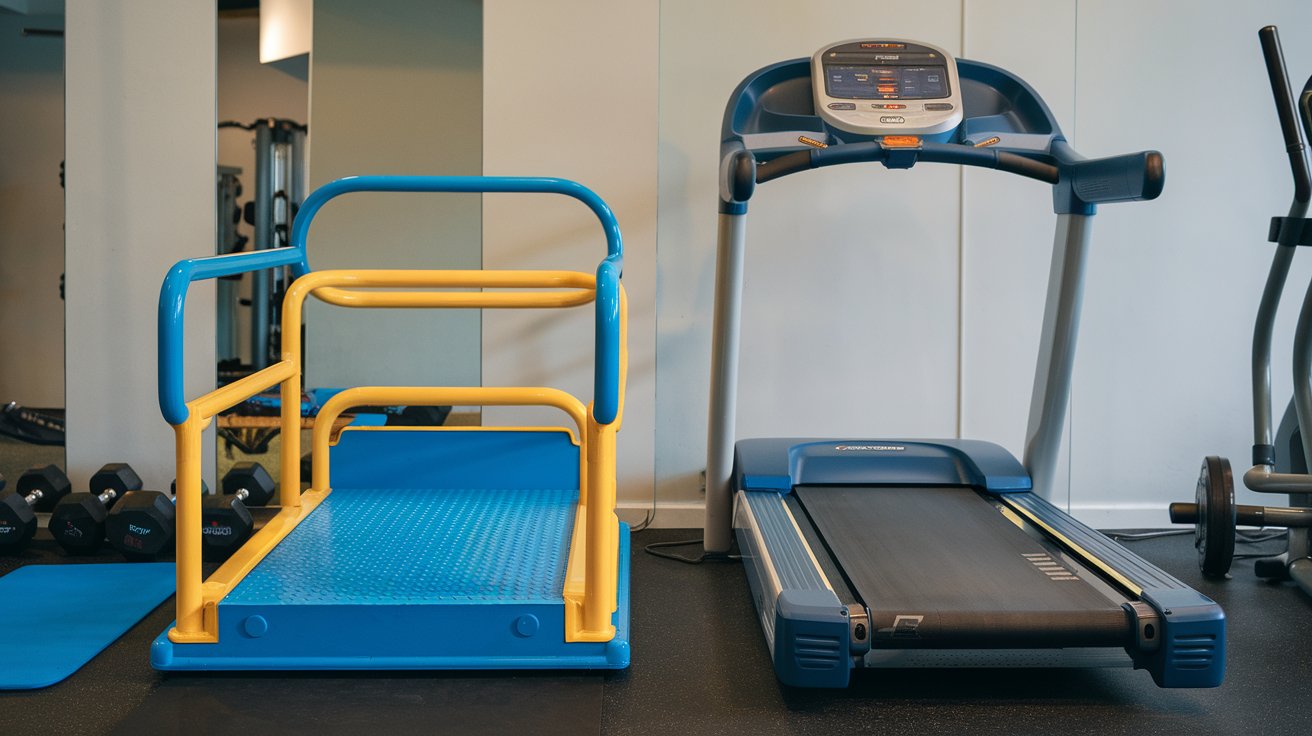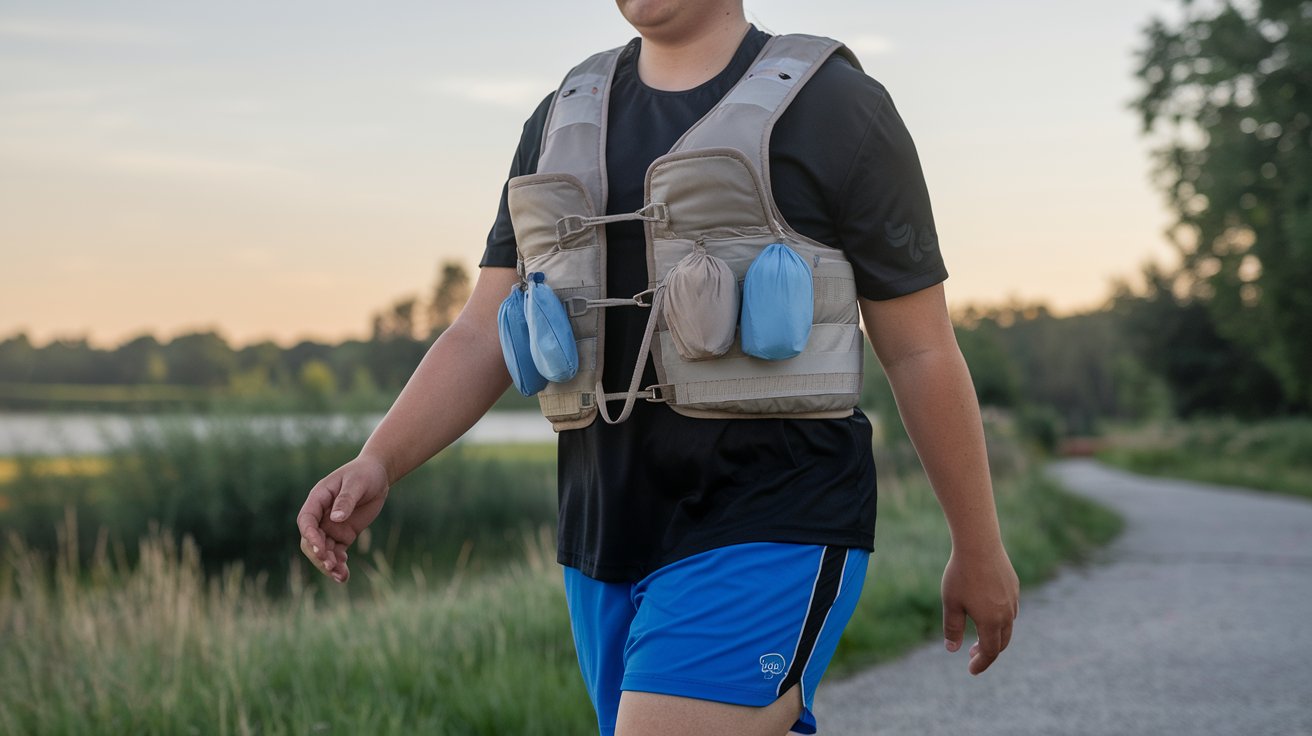
Walking 5 kilometers typically burns between 200 to 400 calories depending on your body weight, walking speed, and terrain. For most adults in the United States, this popular distance takes approximately 45 to 75 minutes to complete and offers significant health benefits. Understanding the precise calorie expenditure from walking 5km helps you plan effective weight management strategies and fitness goals for 2026.
Calories Burned Walking 5km by Body Weight
Your body weight significantly impacts calories burned during a 5km walk. Heavier individuals expend more energy to move their mass over the same distance. A person weighing 125 pounds (57 kg) burns approximately 200-225 calories walking 5km at a moderate pace, while someone weighing 155 pounds (70 kg) burns around 240-270 calories. For those weighing 185 pounds (84 kg), the calorie burn increases to approximately 285-320 calories, and a 215-pound (98 kg) person can burn 330-375 calories covering the same distance.
These calculations assume a moderate walking pace of 3 to 4 mph on flat terrain. The relationship between body weight and calorie expenditure is nearly linear, meaning heavier walkers burn proportionally more calories. This makes walking an excellent exercise option for individuals at various fitness levels and body compositions throughout 2026.
How Walking Speed Affects Calorie Burn
The pace at which you walk dramatically influences how many calories you burn during your 5km journey. Walking speed not only affects duration but also intensity, engaging different muscle fibers and metabolic pathways.
Slow Pace Walking (2-2.5 mph)
At a leisurely slow walking pace of 2 to 2.5 miles per hour, a 155-pound person burns approximately 180-210 calories walking 5km. This gentle pace takes roughly 75-90 minutes to complete and is ideal for beginners, recovery days, or those with mobility limitations. While the calorie burn per hour is lower, the extended duration still provides cardiovascular benefits and contributes to daily activity goals in 2026.
Moderate Pace Walking (3-4 mph)
A moderate walking pace between 3 and 4 mph represents the most common speed for fitness walkers. At this intensity, a 155-pound individual burns 240-270 calories completing 5km in approximately 45-60 minutes. This pace elevates heart rate into the fat-burning zone while remaining sustainable for most adults, making it the recommended speed for weight management and cardiovascular health throughout 2026.
Brisk to Fast Pace Walking (4.5-5+ mph)
Walking at a brisk to fast pace of 4.5 mph or faster significantly increases calorie expenditure. A 155-pound person can burn 300-350 calories walking 5km at this vigorous intensity, completing the distance in 35-45 minutes. This pace challenges cardiovascular fitness, engages core muscles more intensely, and approaches the calorie burn of light jogging, making it highly effective for weight loss goals in 2026.
Terrain and Incline Impact on Calorie Expenditure
The surface and elevation changes during your 5km walk substantially affect total calories burned. Walking uphill or on challenging terrain requires significantly more energy than flat pavement walking.
Flat Terrain Walking
Walking 5km on flat, even surfaces such as sidewalks, tracks, or paved trails represents the baseline calorie burn. A 155-pound person burns approximately 240-270 calories at a moderate pace. This terrain allows for consistent speed and rhythm, making it easier to maintain target heart rates and predict energy expenditure for fitness planning in 2026.
Incline and Hill Walking
Adding incline or hills to your 5km walk can increase calorie burn by 30-50% compared to flat terrain. Walking uphill at a 5% grade burns approximately 350-400 calories for a 155-pound person over 5km. Steep inclines engage quadriceps, glutes, and calves more intensely while elevating heart rate significantly. Many fitness trackers and treadmills in 2026 now accurately calculate incline-adjusted calorie expenditure for precise tracking.
Trail and Uneven Surface Walking
Walking on trails, sand, grass, or uneven surfaces increases calorie burn by 10-25% compared to pavement. The instability requires constant micro-adjustments from stabilizer muscles, increasing overall energy expenditure. A 5km trail walk can burn 270-320 calories for a 155-pound person at moderate pace, while beach walking in sand can approach 400 calories due to the resistance and balance challenges present throughout 2026 outdoor activities.
Using Walking Calorie Calculators Effectively
Modern walking calorie calculators available in 2026 provide increasingly accurate estimates by incorporating multiple variables. The most reliable calculators request your weight, age, gender, walking speed, distance, and terrain type. Advanced versions integrate with smartwatches and fitness trackers, using heart rate data and GPS elevation changes for precision within 5-10% accuracy.
When using a walking calories calculator, input your actual body weight rather than goal weight for accurate results. Select realistic pace estimates based on your typical performance rather than aspirational speeds. For the most precise tracking, use devices with heart rate monitoring, as metabolic equations using heart rate data provide superior accuracy compared to speed and weight alone. Many Americans in 2026 successfully use these tools to set and achieve daily calorie burn targets through consistent walking routines.
Weight Loss Potential from Walking 5km Daily
Walking 5km every day creates a meaningful calorie deficit that supports sustainable weight loss when combined with appropriate nutrition. A 155-pound person burning 250 calories per 5km walk creates a weekly deficit of 1,750 calories through walking alone, translating to approximately 0.5 pounds of fat loss per week or 2 pounds monthly.
To lose one pound of body weight, you must create a calorie deficit of approximately 3,500 calories. Daily 5km walks contribute substantially toward this goal without requiring dramatic dietary restrictions. Over a year, consistent daily walking of 5km could facilitate 20-26 pounds of weight loss for a 155-pound individual, assuming calorie intake remains constant. However, the body adapts over time, and as you lose weight, you burn fewer calories at the same activity level, requiring periodic adjustments to maintain progress throughout 2026.
Comparing 5km Walk to 10,000 Steps
The popular 10,000 steps daily goal roughly equals 5 kilometers or 3.1 miles for most adults with average stride lengths. A person with a stride length of 2.5 feet completes approximately 6,600 steps in 5km, while someone with a longer 2.8-foot stride needs about 5,900 steps to cover the same distance.
For calorie comparison, walking 10,000 steps typically burns 300-500 calories depending on body weight and pace, which aligns closely with 5km walking estimates. The step-based approach offers flexibility since steps accumulate throughout daily activities rather than requiring a dedicated walking session. Many Americans in 2026 find that intentionally walking 5km ensures they exceed the 10,000-step threshold while providing structured exercise time for mental health benefits and consistent calorie expenditure tracking.
Maximizing Calorie Burn During Your 5km Walk
Several strategies can increase calories burned during your 5km walking routine without extending duration. Adding intervals where you increase pace for 1-2 minutes every 5 minutes can boost total expenditure by 15-20%. Incorporating arm movements, light hand weights (1-2 pounds), or walking poles engages upper body muscles and can add 10-15% more calories burned.
Walking with proper posture and engaged core increases calorie burn while improving fitness benefits. Maintain an upright position with shoulders back, engage abdominal muscles, and swing arms naturally at approximately 90-degree angles. Adding occasional bodyweight exercises like lunges or squats every kilometer transforms your walk into interval training, potentially increasing total calorie burn to 350-450 calories for a 155-pound person. These techniques remain popular among fitness enthusiasts throughout 2026 for maximizing walking workout efficiency.
How Long Does Walking 5km Take
The time required to walk 5 kilometers varies based on individual fitness level and pace selection. At a leisurely 2 mph pace, 5km takes approximately 90-95 minutes. Most recreational walkers complete 5km in 60-75 minutes at a comfortable 2.5-3 mph pace, while fitness walkers maintaining 3.5-4 mph finish in 45-55 minutes.
Experienced walkers and power walkers moving at 4.5-5 mph can complete 5km in just 35-40 minutes, approaching jogging speeds. For planning purposes, most Americans in 2026 should budget 50-70 minutes for a 5km walk including warm-up and cool-down periods. Weather conditions, terrain difficulty, and conversation with walking partners can extend these times by 10-20%, so flexible scheduling ensures consistent adherence to walking routines throughout the year.
Additional Health Benefits Beyond Calorie Burn
While calorie expenditure remains important, walking 5km daily provides numerous health benefits that extend beyond weight management. Regular walking reduces cardiovascular disease risk by 20-35%, lowers blood pressure, improves cholesterol profiles, and enhances blood sugar regulation, making it particularly valuable for diabetes prevention and management.
Mental health benefits of consistent 5km walking include reduced anxiety and depression symptoms, improved mood through endorphin release, better sleep quality, and enhanced cognitive function. Walking outdoors adds vitamin D exposure and nature connection benefits. Musculoskeletal advantages include maintained bone density, improved joint health, reduced arthritis pain, and better balance reducing fall risk. These comprehensive benefits make walking 5km one of the most valuable health investments Americans can make in 2026, regardless of specific calorie burn numbers.
Tracking and Monitoring Your Walking Progress
Accurate progress tracking enhances motivation and helps optimize calorie burn from walking 5km. Modern fitness trackers and smartwatches available in 2026 offer sophisticated metrics including distance, pace, heart rate zones, elevation gain, and estimated calorie expenditure. GPS-enabled devices map routes and track improvements in completion time over identical courses.
For those without wearable technology, smartphone apps provide excellent free alternatives with similar tracking capabilities. Manual logging in a fitness journal or spreadsheet helps identify patterns, track consistency, and celebrate milestones. Recording how you feel during and after walks, energy levels throughout the day, sleep quality, and weekly weight measurements provides holistic progress data beyond just calories burned. This comprehensive approach to monitoring supports long-term adherence and continuous improvement throughout 2026 and beyond.
Related video about how many calories does walking 5km burn
This video complements the article information with a practical visual demonstration.
Questions & Answers
How many calories do I burn on a 5km walk?
The average person burns between 200 and 400 calories walking 5km, with most 155-pound individuals burning approximately 240-270 calories at a moderate pace. Your specific calorie burn depends on body weight, walking speed, terrain, and fitness level. Heavier individuals burn more calories, while faster paces and uphill terrain significantly increase expenditure. Using a fitness tracker or walking calculator with your specific metrics provides the most accurate estimate for your individual circumstances in 2026.
Will I lose weight by walking 5km a day?
Yes, walking 5km daily can facilitate sustainable weight loss when combined with appropriate nutrition. A 155-pound person burning 250 calories per day through walking creates a weekly deficit of 1,750 calories, potentially losing 0.5 pounds weekly or approximately 2 pounds monthly. Over a year, this consistent routine could result in 20-26 pounds of weight loss without dietary changes, though actual results vary based on metabolism, diet, and how your body adapts to regular exercise throughout 2026.
How many km walk burns 1000 calories?
To burn 1,000 calories through walking, most people need to walk approximately 16-20 kilometers, depending on body weight and pace. A 155-pound person walking at moderate pace burns about 50-54 calories per kilometer, requiring roughly 18-20km to reach 1,000 calories. Heavier individuals or those incorporating hills and faster speeds can reach this target in fewer kilometers, while lighter individuals may need to walk farther. This represents a significant time commitment of 3-4 hours for most walkers in 2026.
Does walking 5km burn more calories than 10,000 steps?
Walking 5km and walking 10,000 steps burn approximately the same number of calories for most people, as 5 kilometers equals roughly 6,000-7,000 steps depending on stride length. Both typically burn 250-350 calories for a 155-pound person at moderate pace. The 5km approach provides a specific distance goal, while the step-based method counts all daily movement. Either metric works effectively for tracking activity and calorie expenditure, with many Americans in 2026 using both measurements for comprehensive fitness monitoring.
How can I increase calories burned during my 5km walk?
You can increase calories burned during 5km walks by incorporating intervals of faster walking, adding inclines or hills, using walking poles or light hand weights, maintaining proper posture with engaged core, and including bodyweight exercises like lunges every kilometer. Walking on challenging terrain like trails or sand also increases expenditure. These modifications can boost calorie burn by 15-50% compared to flat, steady-pace walking, potentially increasing a typical 250-calorie walk to 350-400 calories for a 155-pound person in 2026.
Is walking 5km enough exercise for general health?
Walking 5km daily exceeds the minimum exercise recommendations from health organizations and provides substantial health benefits. The CDC recommends 150 minutes of moderate-intensity aerobic activity weekly, and daily 5km walks taking 45-60 minutes easily surpass this threshold. This routine improves cardiovascular health, supports weight management, enhances mental wellbeing, and reduces chronic disease risk. While adding strength training twice weekly creates a more complete fitness program, walking 5km daily represents an excellent foundation for overall health in 2026.
| Factor | Impact on Calories Burned | Optimization Strategy |
|---|---|---|
| Body Weight (155 lbs) | 240-270 calories at moderate pace | Heavier individuals naturally burn more calories |
| Walking Speed | 180-350 calories (slow to fast pace) | Increase pace or add speed intervals |
| Terrain Type | 30-50% more calories on inclines | Choose hilly routes or trails |
| Duration | 35-90 minutes depending on pace | Consistency matters more than speed |
| Weekly Frequency | 1,680-2,450 calories per week (daily) | Daily walking creates sustainable deficit |