Walking with a weighted vest has become one of the most effective fitness modifications in 2026, with research showing it increases calorie burn by 8-12% compared to regular walking. This training method, popular among both fitness enthusiasts and physical therapy patients across the United States, adds external resistance to enhance cardiovascular endurance, strengthen bones, and accelerate weight loss. Whether you’re looking to break through a fitness plateau or build stronger bones to combat osteoporosis, understanding proper vest selection, weight progression, and safety protocols will maximize your results while minimizing injury risk.
Benefits of Walking With a Weighted Vest
Walking with weighted vest benefits extend far beyond simple calorie burning. According to 2026 American College of Sports Medicine data, individuals who incorporated weighted vest walking into their routines experienced a 15-18% improvement in cardiovascular capacity over 12 weeks. The added resistance forces your heart to work harder, pumping more blood to supply oxygen to working muscles. This cardiovascular challenge translates to improved VO2 max levels, better endurance for daily activities, and enhanced overall heart health. Studies conducted at major U.S. universities show that participants walking with 10-15% of their body weight saw measurable improvements in aerobic capacity within just six weeks.
The bone density benefits are particularly significant for women over 50 and individuals concerned about osteoporosis. Weight-bearing exercise creates mechanical stress on bones, triggering osteoblast activity that increases bone mineral density. Research from the National Institutes of Health demonstrates that postmenopausal women who walked with weighted vests three times weekly for six months showed a 2.8% increase in lumbar spine bone density, compared to 1.2% loss in the control group. This makes weighted vest walking one of the most effective non-pharmaceutical interventions for bone health available in 2026.
Calorie Burn and Weight Loss Results
Walking with weighted vest weight loss outcomes depend on vest weight, walking speed, and duration. A 160-pound person walking at 3.5 mph burns approximately 314 calories per hour without a vest. Adding a 20-pound weighted vest increases this to 352-368 calories per hour, representing an 12-17% boost in energy expenditure. Over a month of regular use, this translates to an additional 1-1.5 pounds of fat loss, assuming consistent walking frequency. The metabolic advantage continues even after your walk ends, with elevated post-exercise oxygen consumption lasting 2-3 hours after weighted vest sessions.
Real-world testimonials from walking with weighted vest before and after 30 days experiments show measurable changes in body composition. Participants typically report 3-6 pounds of weight loss, reduced waist circumference of 1-2 inches, and noticeable improvements in leg muscle definition. The key factor determining success is progressive overload, gradually increasing vest weight from 5% to 10-15% of body weight over several weeks. Many users document their experiences on platforms, noting that consistency matters more than vest weight, with three to five 30-minute sessions weekly producing optimal results.
Muscle Strength and Endurance Gains
The muscular benefits of weighted vest walking primarily target the lower body and core stabilizers. Your quadriceps, hamstrings, glutes, and calves must generate more force with each step to overcome the additional resistance. This constant tension throughout your walk creates a strength-endurance stimulus different from traditional weightlifting. Sports science research from 2026 indicates that eight weeks of weighted vest walking increased leg press strength by 11% and single-leg balance performance by 23% in middle-aged adults. The core engagement required to maintain proper posture under load also strengthens abdominal and lower back muscles, improving functional fitness for daily activities.
Postural muscles throughout your spine and shoulders work continuously to support the vest’s weight during your walk. This sustained activation builds endurance in the erector spinae, trapezius, and rhomboid muscles, which can improve standing posture and reduce chronic back pain. Physical therapists across the United States now incorporate weighted vest walking into rehabilitation protocols for patients recovering from lower back injuries, starting with 5-8 pounds and progressing based on tolerance. The functional strength gained translates directly to easier stair climbing, better balance, and reduced fall risk in older adults.
How Heavy Should a Weighted Vest Be for Walking
Determining the appropriate vest weight requires careful consideration of your current fitness level, walking experience, and specific goals. The American Council on Exercise recommends starting with 5-10% of your body weight for beginners, which translates to 8-16 pounds for a 160-pound individual. This conservative approach allows your musculoskeletal system to adapt to the new stimulus without overwhelming your joints or connective tissues. Research published in the Journal of Strength and Conditioning Research found that weights exceeding 15% of body weight significantly increased injury risk, particularly stress fractures in the feet and shin splints in the lower legs. The sweet spot for most recreational walkers falls between 10-15% of body weight once properly conditioned.
Progressive weight increases should follow a structured timeline to ensure safe adaptation. Begin with 5% of body weight for 2-3 weeks, focusing on maintaining proper walking form and monitoring for any joint discomfort. If you experience no adverse effects, increase the weight by 2-3 pounds every two weeks until reaching your target resistance level. Elite athletes and military personnel may eventually work up to 20-30% of body weight, but this requires months of consistent training and professional guidance. Pay attention to warning signs like knee pain, lower back discomfort, or excessive fatigue, which indicate you’ve progressed too quickly or selected too heavy a vest.
Weight Recommendations by Fitness Level
For beginners new to both walking programs and weighted vests, start with 5-8 pounds regardless of body weight. This minimal resistance allows you to focus on developing proper breathing patterns, maintaining correct posture, and building walking endurance without joint stress. Complete 4-6 weeks at this weight before considering increases. Intermediate walkers who have been walking regularly for 6+ months without a vest can begin at 8-12% of body weight, typically 12-18 pounds for average-sized adults. This group should aim for three walking sessions weekly, each lasting 20-30 minutes, before adding weight.
Advanced exercisers with established cardiovascular fitness and prior resistance training experience can start at 10-12% of body weight and progress toward 15-20% over 8-12 weeks. A 180-pound athlete might begin with 18-20 pounds and eventually work up to 30-35 pounds for specific training goals. Walking with weighted vest men versus women requires individual assessment rather than gender-based guidelines, as current research shows body weight percentage and fitness level are more reliable indicators than biological sex. Women concerned about bone density may benefit from slightly higher percentages (12-15%) under medical supervision, while individuals focused solely on calorie burning can remain at 8-10%.
Adjustable Versus Fixed Weight Vests
The best weighted vest for walking in 2026 features adjustable weight compartments that allow progressive resistance increases. Top-rated models include the CAP Barbell Adjustable Weighted Vest, Hyperwear Hyper Vest PRO, and 5.11 TacTec Plate Carrier, which use removable weight packets or steel plates for customization. Adjustable vests typically range from 12-40 pounds total capacity, with 1-2 pound increments for precise progression. These vests cost between $80-$200 depending on capacity and construction quality, representing a worthwhile investment for long-term training. The versatility of adjustable models makes them suitable for multiple family members or varying workout intensities throughout the week.
Fixed-weight vests offer simplicity and durability at lower price points, typically $40-$100 for 10-20 pound models. These work well for individuals who have established their optimal training weight and want a no-fuss option for daily walks. However, the inability to adjust resistance limits progressive overload potential and makes them less suitable for beginners who need gradual weight increases. Weighted vest reddit communities consistently recommend adjustable models for newcomers, citing the flexibility to start light and increase resistance as fitness improves. When selecting any vest, prioritize even weight distribution, breathable materials, and secure straps that prevent bouncing during movement.
Strategies for Using a Weighted Vest Safely
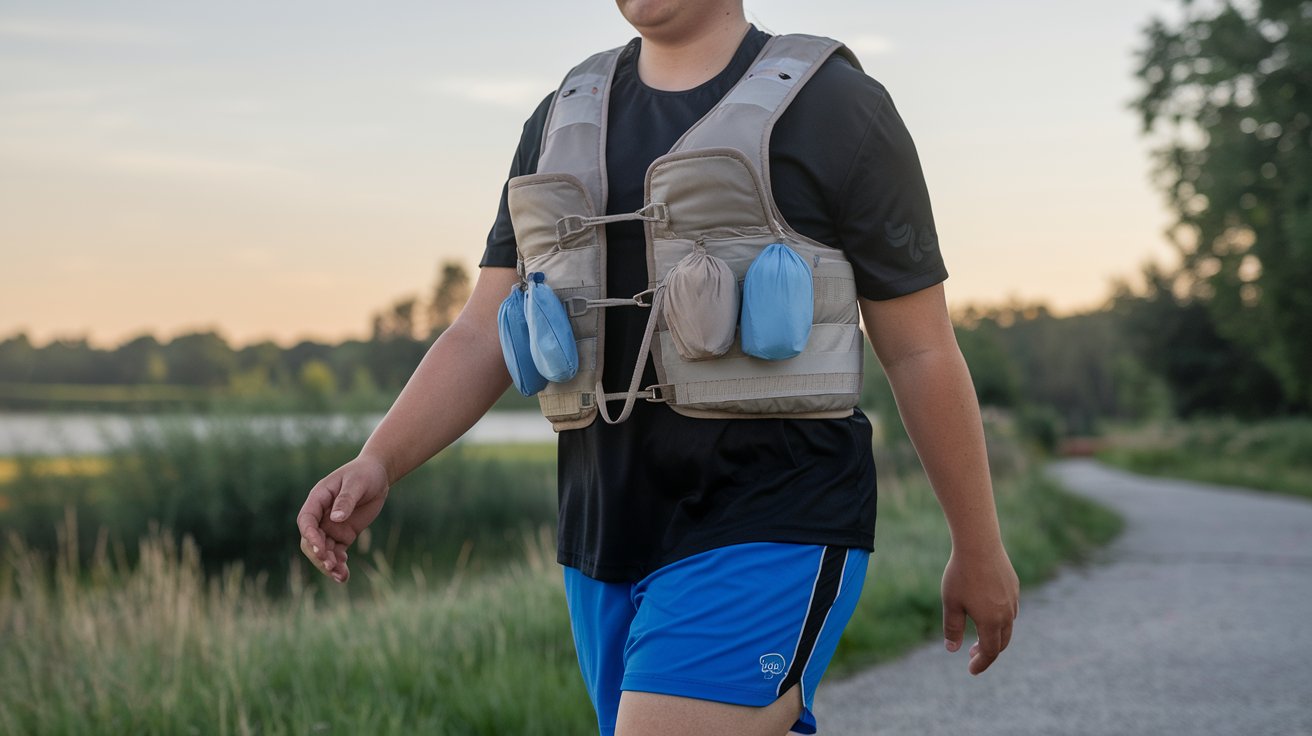
Proper vest fitting is critical for safety and effectiveness. The vest should sit snugly against your torso without restricting breathing or shoulder movement, with weight distributed evenly across your chest and back. Loose vests create bouncing motion that increases impact forces on joints and can cause the vest to ride up during your walk. Adjust all straps before beginning your walk and perform a test lap to ensure everything stays in place. The weight should feel noticeable but not overwhelming, you should be able to maintain your normal walking pace for at least the first 10 minutes without significant strain.
Walking form modifications become necessary when wearing additional weight. Maintain an upright posture with shoulders back and core engaged, avoiding the tendency to lean forward from the weight. Keep your gaze forward rather than looking down, as this helps maintain spinal alignment. Your stride length may naturally shorten slightly under load, which is perfectly acceptable and actually reduces joint stress. Focus on landing midfoot rather than heel-striking, as this distributes impact forces more evenly. Arms should swing naturally at your sides in opposition to leg movement, helping maintain balance and rhythm throughout your weighted walk.
Warm-Up and Cool-Down Protocols
A thorough warm-up routine prepares your body for the increased demands of weighted walking. Begin with 5-7 minutes of light cardio without the vest, such as marching in place or easy-pace walking. Follow with dynamic stretches targeting major muscle groups: leg swings, hip circles, arm circles, and torso rotations. This movement preparation increases blood flow to working muscles and elevates core temperature, reducing injury risk. Only after completing this warm-up should you put on the weighted vest and begin your training walk. The contrast between unweighted warm-up and weighted work helps your nervous system adjust to the additional load.
Post-walk recovery is equally important for long-term success. After completing your weighted walk, remove the vest immediately and walk for 3-5 minutes at an easy pace to gradually lower your heart rate. Follow with static stretching of the calves, quadriceps, hamstrings, hip flexors, and lower back, holding each stretch for 20-30 seconds. Foam rolling the legs and upper back for 5-10 minutes helps reduce muscle tension and improves recovery between sessions. Hydrate with 16-20 ounces of water within 30 minutes post-walk, as the additional weight increases sweat loss and fluid requirements during exercise.
Terrain and Surface Considerations
Your walking surface significantly impacts joint stress when using a weighted vest. Beginners should start on flat, even terrain such as rubberized tracks, paved walking paths, or treadmills with good cushioning. These surfaces provide consistent footing and reduce ankle strain compared to uneven ground. As your conditioning improves after 4-6 weeks, you can introduce gentle inclines to increase workout intensity without adding vest weight. Hills engage different muscle fibers and provide cardiovascular challenge, but should be limited to no more than 20-30% of your weighted walk initially.
Avoid uneven terrain like hiking trails, sandy beaches, or rocky paths during weighted vest walks, especially in the first 2-3 months of training. The combination of unstable surfaces and additional weight dramatically increases ankle sprain and knee injury risk. If variety is important for adherence, alternate weighted walks on safe surfaces with unweighted hikes on trails. Concrete sidewalks are acceptable but less ideal than asphalt or rubberized surfaces due to higher impact forces. Urban walkers should map routes with minimal street crossings to maintain consistent pace and reduce the stop-start pattern that increases joint stress under load.
Who Should Avoid Weighted Vests
Individuals with existing joint conditions should consult healthcare providers before beginning weighted vest walking. Those with moderate to severe osteoarthritis in the knees, hips, or ankles may experience increased pain and accelerated cartilage breakdown from the additional load. However, mild osteoarthritis patients might benefit from the controlled resistance under proper supervision. People with chronic lower back pain or previous spinal injuries should avoid weighted vests unless specifically prescribed by a physical therapist, as the compressive forces can exacerbate disc problems or nerve impingement. Anyone recovering from lower extremity stress fractures must wait until fully healed and cleared by their physician before introducing vest training.
Cardiovascular conditions require special consideration, as weighted vest walking significantly increases heart rate and blood pressure compared to regular walking. Individuals with uncontrolled hypertension, recent heart attack history, or diagnosed heart disease should obtain medical clearance before starting. The increased cardiac demand may exceed safe limits for these populations. Pregnant women should avoid weighted vest walking, particularly in the second and third trimesters, due to altered center of gravity, increased joint laxity from relaxin hormone, and additional strain on an already stressed cardiovascular system. Postpartum women should wait at least 6-8 weeks after delivery and obtain physician approval before resuming weighted training.
Can I Wear a Weighted Vest If I Have Osteoporosis
The relationship between weighted vest walking and osteoporosis is nuanced and depends on disease severity. Individuals with osteopenia (low bone density but not yet osteoporosis) often benefit significantly from weighted vest training, as the mechanical loading stimulates bone formation. Studies from 2025-2026 demonstrate that carefully progressed vest walking increased bone mineral density in the spine and hips by 1.5-3% over six months in osteopenic women. However, those with established osteoporosis face higher fracture risk and require medical supervision before beginning any weighted exercise program.
If your physician approves weighted vest use for osteoporosis management, start with extremely light loads (3-5% of body weight) and focus on perfect form. Work with a physical therapist who can assess your movement patterns and ensure proper loading mechanics. Avoid any exercises involving twisting, bending forward at the waist, or impact activities while wearing the vest. Gradual progression is critical, with weight increases limited to 1-2 pounds every 3-4 weeks rather than the standard two-week progression. Monitor for any new pain, particularly in the spine, hips, or wrists, which could indicate stress injury requiring immediate evaluation.
Weighted Vest Safety With Scoliosis
People with scoliosis can often use weighted vests safely, but specific considerations apply based on curve severity and location. Mild scoliosis (curves under 20 degrees) typically poses minimal concern, though even weight distribution becomes critical. Select a vest that positions weight symmetrically across both shoulders and the entire torso to avoid exacerbating spinal imbalances. Moderate scoliosis (20-40 degrees) requires physical therapist consultation to determine if weighted walking is appropriate and to establish individualized form cues that maintain spinal stability under load.
Severe scoliosis (curves over 40 degrees) or individuals with surgical hardware should avoid weighted vests unless specifically recommended by their orthopedic specialist. The asymmetric spinal mechanics combined with external load could accelerate curve progression or cause hardware complications. If cleared for use, these individuals should work with corrective exercise specialists who can modify vest placement and monitor for compensatory movement patterns. Regular assessment every 4-6 weeks ensures the training isn’t negatively affecting spinal curvature, with immediate cessation if any increase in back pain or visible postural changes occur.
Is Walking With a Weighted Vest the Same as Rucking
Rucking and weighted vest walking share similarities but differ in equipment, culture, and typical intensity. Rucking traditionally involves carrying weight in a backpack (rucksack) and originated from military training, where soldiers march long distances with full gear. The weight distribution in rucking concentrates on the upper back and shoulders, often creating more posterior chain engagement. Weighted vest walking distributes load more evenly across the torso’s front and back, creating balanced resistance that many find more comfortable for extended periods. Both activities provide excellent cardiovascular conditioning and calorie burning, but equipment differences create subtle variations in muscle recruitment patterns.
The community aspects differ significantly between these training methods. Rucking has developed a strong subculture through organizations like GORUCK, with organized events, challenges, and social gatherings centered around the activity. Participants often use military-style rucksacks and embrace the tactical fitness aesthetic. Weighted vest walking tends to be more individualized, appealing to general fitness enthusiasts, physical therapy patients, and those seeking practical training equipment for home use. Reddit communities dedicated to both activities show ruckers often progress to heavier loads (30-50 pounds) over longer distances, while weighted vest walkers typically maintain moderate weights (10-20 pounds) for shorter, more frequent sessions focused on daily fitness maintenance.
Equipment Differences and Preferences
Rucksacks for rucking typically cost $100-$300 for quality military-grade options like the GORUCK Rucker or 5.11 RUSH series, with weight added via steel or concrete plates wrapped in towels to prevent back impact. The weight placement high on the back requires more core stabilization to prevent forward lean and engages different postural muscles than vests. Rucksacks offer the advantage of carrying actual gear, water, and supplies, making them practical for hiking or commuting. However, they can create more shoulder strain and typically feel less secure during faster-paced walking or running.
Weighted vests provide superior stability and weight distribution, hugging the torso and moving with your body rather than bouncing. Premium models feature moisture-wicking materials, reflective elements for safety, and low-profile designs that work under jackets in colder weather. The close-to-body positioning minimizes impact on gait mechanics and allows for more natural arm swing during walking. For pure fitness training without the need to carry gear, most exercise physiologists recommend weighted vests over rucksacks due to better biomechanical alignment and reduced injury risk. Those interested in both benefits might alternate between equipment types on different training days.
Creating Your Weighted Vest Walking Program
A successful weighted vest training program begins with establishing baseline fitness without any vest. Spend 2-3 weeks walking 20-30 minutes three times weekly at a comfortable pace before introducing weight. This foundation phase builds cardiovascular endurance and strengthens connective tissues, preparing your body for additional resistance. Once you can complete three 30-minute walks weekly without excessive fatigue or joint pain, you’re ready to introduce a weighted vest at 5% of your body weight. Your first weighted session should be just 15-20 minutes, even if this feels easy, allowing your body to adapt to the new stimulus gradually.
Progressive overload scheduling should follow a structured timeline for optimal results and injury prevention. Week 1-2: Three 15-20 minute walks with 5% body weight. Week 3-4: Three 20-25 minute walks with 5% body weight. Week 5-6: Three 25-30 minute walks with 5% body weight. Week 7-8: Three 30 minute walks with 7-8% body weight. Continue this pattern, increasing duration before weight, never progressing both simultaneously. Deload weeks every 4-6 weeks reduce volume by 30-40% to allow complete recovery and prevent overtraining. This might mean two shorter walks or removing 2-3 pounds from your vest for a week before resuming progression.
Weekly Schedule and Recovery Integration
An optimal weekly training schedule balances weighted walking frequency with adequate recovery. For most people, three weighted vest sessions per week provides sufficient stimulus for adaptation without excessive joint stress. Structure your week as: Monday – 30 minute weighted walk, Tuesday – rest or yoga/stretching, Wednesday – 30 minute weighted walk, Thursday – unweighted easy walk or rest, Friday – 30 minute weighted walk, Saturday – longer unweighted walk for active recovery, Sunday – complete rest. This pattern allows 48 hours between weighted sessions for muscle repair and connective tissue adaptation while maintaining overall activity levels throughout the week.
Cross-training activities enhance weighted vest walking results when programmed appropriately. Swimming, cycling, and rowing provide cardiovascular benefits without additional impact on joints, making them excellent choices for active recovery days. Strength training 2-3 times weekly targeting major muscle groups complements weighted walking by building muscular endurance and injury resilience. However, avoid performing heavy lower body strength work on the same day as weighted walks, as this accumulates excessive stress on the same muscle groups. Upper body strength training can safely occur on weighted walking days, while lower body sessions should coincide with rest or light activity days for optimal recovery.
Tracking Progress and Making Adjustments
Meaningful metrics for weighted vest walking extend beyond simple distance covered. Track resting heart rate weekly, as consistent decreases (3-5 beats per minute over 8-12 weeks) indicate improving cardiovascular fitness. Monitor your walking pace at a fixed heart rate; if you can walk faster while maintaining the same heart rate, your conditioning is improving. Subjective measures matter too: rate your perceived exertion on a 1-10 scale during walks, noting if the same weight and duration feels easier over time. Take body measurements monthly and progress photos every 30 days to capture changes that scales might miss, particularly increases in muscle definition and decreases in waist circumference.
Adjustment indicators help determine when to modify your program. If you experience persistent soreness lasting more than 48 hours, joint pain during or after walks, or declining performance despite adequate rest, reduce weight by 10-20% or decrease frequency to twice weekly. Conversely, if your rated perceived exertion drops below 5/10 and remains there for two consecutive weeks, it’s time to increase the challenge through added weight, longer duration, or faster pace. Never change more than one variable at a time to identify which modification produces results. Journal your walks including weight used, duration, route, and how you felt to identify patterns and optimize your individual response to training.
Nutrition Strategies to Support Weighted Walking
Protein intake becomes particularly important when combining weighted vest walking with weight loss goals. Aim for 0.8-1.0 grams of protein per pound of body weight daily to preserve muscle mass while in a caloric deficit. The muscular stress from weighted walking creates greater protein requirements than regular walking, and inadequate intake can lead to muscle loss alongside fat loss. Distribute protein across 3-4 meals, including 20-30 grams post-walk to support recovery and muscle repair. High-quality sources include lean meats, fish, eggs, Greek yogurt, and plant-based options like legumes and tofu for those following vegetarian or vegan diets.
Hydration needs increase substantially during weighted vest training due to higher sweat rates and metabolic demands. Consume 16-20 ounces of water 2 hours before your walk, 7-10 ounces every 15-20 minutes during walks exceeding 30 minutes, and 20-24 ounces within an hour post-walk. In hot weather or during particularly intense sessions, consider electrolyte beverages to replace sodium, potassium, and magnesium lost through sweat. Chronic dehydration impairs performance and recovery, potentially manifesting as persistent fatigue, decreased walking speed, and increased perceived difficulty during training sessions. Monitoring urine color provides a simple hydration assessment; pale yellow indicates adequate hydration while dark yellow suggests insufficient fluid intake.
Pre and Post-Walk Nutrition Timing
Pre-walk fueling depends on workout timing and individual digestive comfort. For morning walks, consume a light snack containing 15-30 grams of carbohydrates 30-60 minutes beforehand, such as a banana with a tablespoon of almond butter or a slice of toast with honey. This provides readily available energy without causing digestive distress during exercise. If walking later in the day, ensure your previous meal occurred 2-3 hours prior and included balanced macronutrients. Avoid heavy meals within 90 minutes of weighted walking, as the combination of digestion and exercise can cause cramping, nausea, or sluggish performance under load.
Post-walk nutrition optimizes recovery and supports training adaptations when consumed within 30-60 minutes of completing your session. A combination of carbohydrates and protein in a 3:1 or 4:1 ratio replenishes glycogen stores and initiates muscle repair. Practical options include a protein smoothie with fruit, chocolate milk, or a turkey sandwich. For those focused on losing belly fat through weighted vest walking, post-walk nutrition should still include adequate protein but can reduce carbohydrate portions if total daily calories need controlling. The metabolic window for nutrient timing, while important, is less critical than total daily intake, so if appetite is suppressed post-walk, ensure adequate nutrition occurs within 2-3 hours instead.
Common Mistakes and How to Avoid Them
The most prevalent error is starting too heavy with vest weight, driven by enthusiasm and underestimation of the cumulative joint stress. New users frequently select 15-20 pound vests immediately, then experience knee pain, shin splints, or excessive fatigue within 1-2 weeks. This aggressive approach bypasses necessary adaptation periods and often leads to training interruption or injury. Always begin conservatively with 5-8 pounds regardless of your current fitness level, as weighted walking challenges your body differently than other exercises you may excel at, like running or cycling.
Inconsistent training patterns represent another common pitfall. Some individuals walk with their weighted vest daily for two weeks, then skip two weeks entirely, preventing systematic adaptation. This erratic approach provides insufficient stimulus for improvement while inadequately spacing recovery. Similarly, wearing the vest for too long during initial sessions (60+ minutes) because it feels manageable creates excessive cumulative stress despite low perceived difficulty. Gradual progression applies to both weight and duration; rushing either variable compromises long-term results and dramatically increases injury likelihood, particularly stress fractures in feet and lower legs that can sideline training for months.
Form Breakdown and Compensation Patterns
Forward lean develops as fatigue sets in or when vest weight exceeds appropriate levels for your current strength. This postural deviation shifts your center of gravity forward, increasing lumbar spine compression and altering normal gait mechanics. Monitor yourself in windows or record occasional videos to check for this compensation. If forward lean appears, reduce vest weight by 10-15% immediately and incorporate core strengthening exercises on non-walking days. Maintaining upright posture throughout your entire walk is non-negotiable; fatigue-induced form breakdown indicates you’ve exceeded your current capacity.
Shortened stride and decreased arm swing are subtle compensations that reduce weighted walking effectiveness. Some individuals unconsciously adopt a shuffling gait under load, minimizing ground contact time and reducing the beneficial impact forces that strengthen bones. Others pin their arms to their sides, eliminating the natural counterbalance that supports efficient walking mechanics. Focus on maintaining normal gait patterns with full arm swing and appropriate stride length, even if this requires using lighter weight initially. Quality of movement supersedes quantity of weight in determining long-term training outcomes and injury prevention.
Advanced Weighted Vest Walking Techniques
Once you’ve established 8-12 weeks of consistent weighted vest walking at moderate intensities, interval training can dramatically boost results. Alternate between 2-3 minutes of faster-paced walking and 2-3 minutes of moderate pace for 20-30 minute sessions. This approach increases average heart rate, burns more calories, and improves both aerobic and anaerobic capacity simultaneously. Start with a 1:2 work-to-rest ratio (1 minute fast, 2 minutes moderate) and progress toward 1:1 ratios as fitness improves. Speed intervals with a weighted vest create significant metabolic demand without requiring extremely heavy loads, making them ideal for continued progression once you’ve reached your comfortable maximum weight.
Incline walking with a weighted vest multiplies training stimulus without adding weight. Begin with 2-4% inclines for 15-20 minutes if using a treadmill, or select hilly routes for outdoor walks. The combination of elevation and load dramatically increases quadriceps and glute engagement while providing cardiovascular challenge comparable to much faster flat-ground walking. Gradually progress to 5-8% inclines over several weeks, but avoid exceeding 10% grades as this alters biomechanics excessively and increases injury risk. Hill walking particularly benefits individuals preparing for hiking adventures, as it conditions muscles and cardiovascular system for the specific demands of elevated terrain while carrying weight.
Combining With Other Training Modalities
Resistance training integration creates synergistic benefits when properly structured around weighted vest walking. Perform full-body strength workouts 2-3 times weekly on days between weighted walks, focusing on compound movements like squats, deadlifts, rows, and presses. This combination builds maximal strength through weights while developing strength-endurance through vest walking, creating comprehensive fitness. However, avoid high-volume leg training immediately before or after weighted walking days, as this accumulates excessive stress on knee and hip joints. Structure your week so heavy lower body training occurs with 48-72 hours separation from weighted vest sessions.
Flexibility and mobility work becomes increasingly important as training volume accumulates. Dedicate 15-20 minutes daily to static stretching, yoga, or mobility exercises targeting hips, ankles, and thoracic spine. The repetitive nature of walking combined with external loading can create tightness in hip flexors, calves, and hamstrings that eventually limits range of motion and alters gait patterns. Regular flexibility training maintains optimal joint mobility, reduces injury risk, and often improves walking efficiency by allowing fuller stride length. Consider working with a qualified yoga instructor or mobility specialist quarterly to identify and address individual restrictions before they impact training quality.
Related video about walking with weighted vest
This video complements the article information with a practical visual demonstration.
Key Questions and Answers
Should you walk with a weighted vest every day?
Walking with a weighted vest daily is not recommended for most individuals due to insufficient recovery time between sessions. The additional load creates cumulative stress on joints, bones, and connective tissues that requires 48 hours to repair and adapt. Optimal frequency is 3-4 times weekly with rest or active recovery days between weighted sessions. Daily vest walking increases injury risk, particularly stress fractures and tendinitis, without providing proportionally greater benefits than properly spaced training. Advanced athletes might tolerate 5 sessions weekly, but this requires gradual progression over many months and careful monitoring for overtraining symptoms.
Do weighted vests help lose belly fat specifically?
Weighted vests increase overall calorie expenditure by 8-12% compared to regular walking, contributing to total body fat loss including abdominal fat, but cannot target belly fat specifically. Spot reduction is physiologically impossible; fat loss occurs systemically based on genetics and hormones. However, the enhanced calorie burn from weighted vest walking, combined with proper nutrition creating a caloric deficit, will reduce belly fat as part of overall body composition improvements. Studies show individuals using weighted vests consistently for 12 weeks while maintaining appropriate nutrition lose 1-2 inches from waist circumference alongside general weight loss of 6-10 pounds.
Can weighted vests damage your back or spine?
Weighted vests can damage your back if used improperly, particularly when weight exceeds 15-20% of body weight, form breaks down, or individuals with pre-existing spinal conditions use them without medical clearance. However, when used correctly with appropriate weight progression and proper posture, weighted vests safely strengthen core and postural muscles that support spinal health. The key is starting light (5% body weight), maintaining upright posture throughout walks, and never pushing through back pain. Individuals with herniated discs, chronic lower back pain, or scoliosis should consult healthcare providers before beginning weighted vest training to determine individual appropriateness.
How long does it take to see results from weighted vest walking?
Most individuals notice initial results from weighted vest walking within 3-4 weeks, including improved cardiovascular endurance, easier breathing during daily activities, and slight improvements in leg strength. Visible body composition changes typically appear at 6-8 weeks with consistent 3-4 times weekly training, including modest weight loss, improved muscle definition in legs, and reduced waist measurements. Significant transformations require 12-16 weeks of progressive training, with studies documenting 8-12 pound weight loss, 2-3% body fat reduction, and measurable bone density improvements in this timeframe. Results depend heavily on consistency, progressive overload, nutrition quality, and adequate recovery between sessions.
What is better for weight loss, weighted vest walking or running?
Running burns more total calories per minute than weighted vest walking (400-600 vs. 350-400 calories/hour for average individuals), but weighted vest walking offers advantages in sustainability and injury prevention. Many people can maintain weighted vest walking programs long-term without the joint stress, injury risk, and recovery demands of running. For weight loss, the best exercise is the one you’ll perform consistently for months. Weighted vest walking provides 70-80% of running’s caloric burn with significantly lower impact, making it ideal for individuals over 40, those with joint concerns, or anyone seeking sustainable long-term fat loss without high injury risk.
Can I wear a weighted vest if I have knee problems?
Individuals with knee problems should consult an orthopedic specialist or physical therapist before using weighted vests, as the additional load increases compressive forces on knee joints. Those with mild knee discomfort from muscular imbalances might benefit from properly progressed vest walking combined with strengthening exercises, as the controlled resistance can build supportive leg muscles. However, people with moderate to severe osteoarthritis, meniscus tears, ligament damage, or chronic knee pain should typically avoid weighted vests or use them only under direct medical supervision with very light weights (3-5 pounds maximum). Alternative exercises like swimming or cycling provide cardiovascular benefits without knee compression for this population.
| Training Component | Recommended Approach | Expected Benefit |
|---|---|---|
| Starting Weight | 5-8% of body weight (8-12 lbs for most) | Safe adaptation with minimal injury risk |
| Weekly Frequency | 3-4 sessions with 48-hour recovery | Optimal stimulus-to-recovery ratio |
| Session Duration | Start 15-20 min, progress to 30-40 min | 350-400 calories burned per session |
| Weight Progression | Add 2-3 lbs every 2-3 weeks | Continuous adaptation without overload |
| Maximum Weight | 10-15% body weight for most users | Meaningful resistance with safety margin |
| Results Timeline | 3-4 weeks initial, 12-16 weeks significant | 8-12 lb weight loss, improved bone density |